How Social Media Is Changing the Home Buying Journey
Published:
August 27, 2026
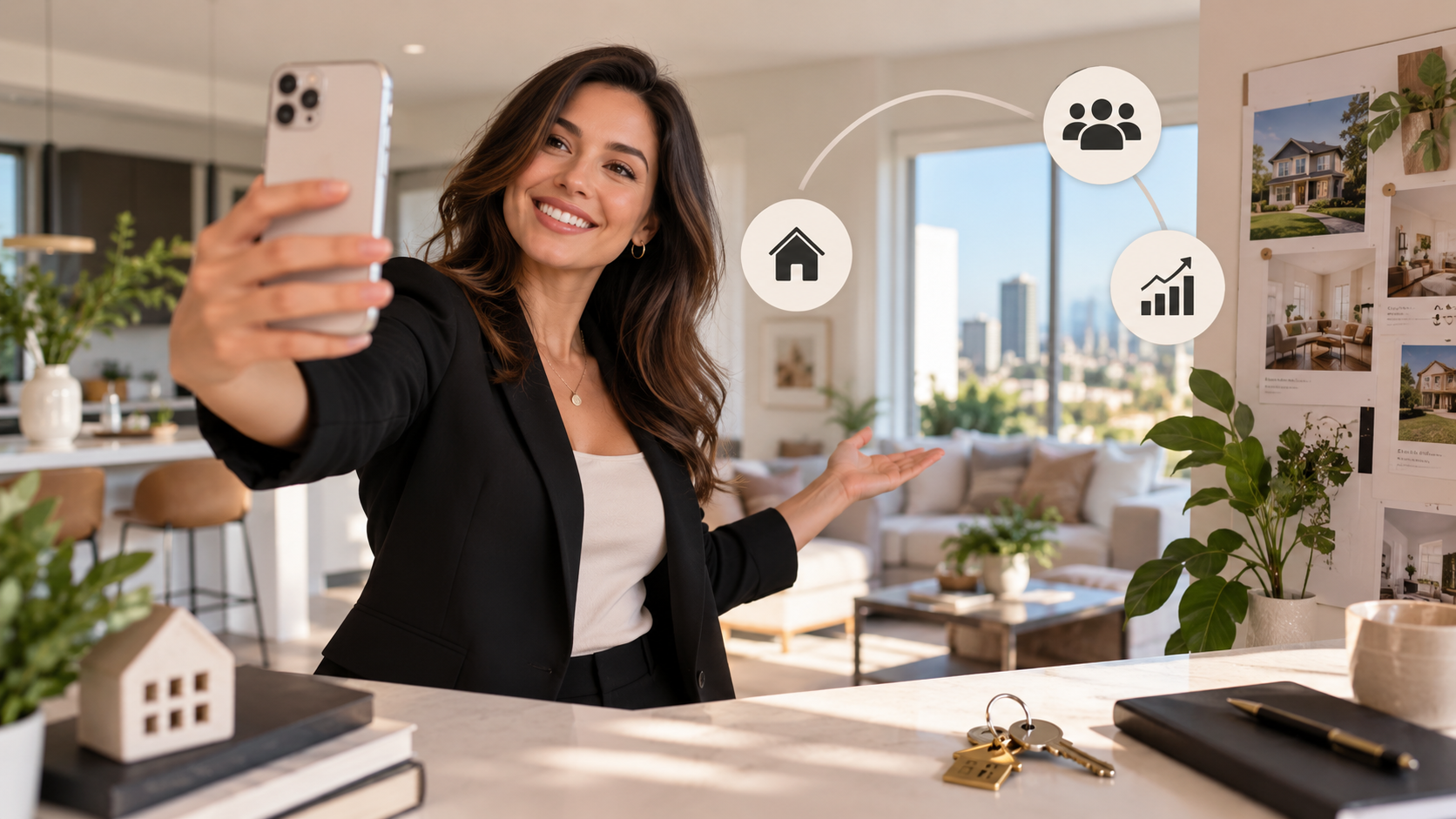
Buying a home used to begin in a fairly predictable place. You might call a real estate agent, drive around neighborhoods looking for yard signs, pick up a local property magazine, or spend an evening searching a real estate website on your laptop. Today, that journey can begin while you're standing in line for coffee and casually scrolling through your phone. A thirty-second video of a renovated bungalow, a Reel showing “three homes under $500K,” or a neighborhood walkthrough posted by a local agent can turn casual browsing into serious house hunting before you even realize you've entered the market. Social media has become part discovery engine, part research tool, part recommendation network, and part real estate classroom, fundamentally changing how people experience the home buying process.
What makes this shift so interesting is that social media doesn't simply give buyers another place to see listings. It changes the emotional rhythm of buying a home. Properties appear alongside vacation photos, restaurant recommendations, financial advice, and updates from friends, which makes real estate feel less like a formal transaction and more like part of everyday life. Buyers can see how a house looks during a walk-through, hear an agent explain property taxes in plain English, watch residents talk about their favorite coffee shop, and compare mortgage strategies without opening twenty browser tabs. At the same time, this convenience creates new challenges because a beautifully edited home tour can make an ordinary property feel extraordinary, while algorithms can repeatedly show buyers a narrow version of what their ideal home supposedly looks like. Understanding how social media is changing the home buying journey therefore means looking at both sides of the screen: the opportunities it creates and the blind spots buyers need to recognize.
The Home Search Now Starts in the Feed
The first major change is simple but powerful: many buyers no longer have to intentionally begin a property search. The property search finds them. Someone might follow a local restaurant account, watch a few videos about moving to Austin or Tampa, interact with a mortgage explainer, and suddenly start seeing homes for sale in that area. What used to require deliberately visiting a listing portal can now happen almost automatically through a social feed. This is especially important for people who are still in the “maybe someday” stage of homeownership because social media can move them from passive curiosity to active consideration much faster than traditional real estate advertising ever could. A home that appears naturally between everyday posts often feels less like an advertisement and more like a recommendation.
That discovery process also makes home buying more visual and emotionally immediate. A standard listing might lead with square footage, bedroom count, lot size, and asking price. A social media post can begin with sunlight pouring through the kitchen windows, a dog running into the backyard, or a caption asking, “Would you live here for $425,000?” Those details create an instant mental picture of life inside the property. Buyers aren't only evaluating rooms; they're imagining Saturday breakfasts, backyard parties, work-from-home mornings, and walks around the neighborhood. That emotional connection has always been part of real estate, but social media delivers it earlier in the buying journey. The upside is that buyers can discover properties and communities they might never have considered. The downside is that emotional attraction can begin before practical questions about financing, inspections, insurance, taxes, resale value, or commuting have entered the conversation. The modern buyer therefore has more inspiration at their fingertips, but also needs a stronger filter.
Instagram Turns Listings Into Lifestyle Stories
Instagram is almost perfectly designed for real estate because homes are naturally visual. A bright kitchen, a dramatic staircase, an infinity pool, or a carefully staged living room can communicate more in a few seconds than a long property description ever could. Real estate agents, builders, interior designers, lenders, and homeowners use Stories, Reels, carousels, and short videos to present properties as experiences rather than collections of specifications. Instead of simply showing a three-bedroom house, an agent might create a morning-to-evening Reel that begins on the front porch, moves through the kitchen, steps into the backyard, and ends at a nearby restaurant. That style of content makes the viewer feel as though they're already touring the home and neighborhood, even if they live hundreds of miles away.
Instagram also makes it easy for potential buyers to build a personal real estate research library without consciously doing so. People save kitchen ideas, neighborhood posts, renovation examples, market updates, and listings into collections, gradually defining what they actually want in a home. Interestingly, that process can reveal a difference between what buyers say they want and what consistently catches their attention. Someone who insists they need new construction might repeatedly save older homes with mature trees and walkable streets. Another buyer who originally wanted downtown living may discover that every saved property has a large backyard. For agents who pay attention to those preferences, Instagram can become a window into buyer motivation. Yet polished presentation deserves skepticism. Wide-angle lenses, professional lighting, virtual staging, careful cropping, and selective filming can dramatically change how a space feels. Instagram is excellent for discovering homes, design styles, agents, and neighborhoods, but it should be the beginning of property evaluation rather than the final word.
TikTok Makes Home Buying Education Fast and Personal
TikTok has introduced a different energy into real estate. Where traditional property marketing often feels polished and formal, TikTok tends to reward content that is quick, conversational, opinionated, and easy to understand. A real estate agent might explain earnest money while walking through a grocery store. A loan officer might break down closing costs using numbers written on a whiteboard. An inspector could show a hidden foundation problem discovered during a home inspection, while another creator walks viewers through what $400,000 buys in three different cities. This format has made complicated pieces of the home buying journey feel significantly more approachable, particularly for first-time buyers who may be intimidated by industry terminology.
The platform's strength is also its weakness. Short videos are excellent for explaining one concept at a time, but real estate decisions rarely fit neatly into sixty seconds. Property taxes vary by location, mortgage qualification depends on individual circumstances, insurance costs can change dramatically from one property to another, and contract practices differ across states and markets. A creator saying, “Never put 20% down,” or “Always ask the seller to cover closing costs,” may sound confident while leaving out the dozens of circumstances that determine whether that advice makes sense. TikTok's algorithm can also reinforce strong opinions because confident, surprising claims often receive more engagement than cautious explanations. Smart buyers can still get tremendous value from the platform by using it to learn vocabulary, discover questions they should ask professionals, and hear different perspectives. The key is treating viral real estate advice like a conversation starter rather than personalized financial, legal, or investment guidance. The shorter the video, the more important it becomes to investigate what was left outside the frame.
YouTube Gives Buyers the Long-Form Tour They Want
YouTube plays a different role because it allows real estate content to breathe. A buyer who discovers an interesting city through Instagram or TikTok might move to YouTube when they're ready for serious research. Long-form neighborhood tours, relocation guides, full property walkthroughs, interviews with builders, mortgage explanations, market updates, and “living in” videos can provide twenty or thirty minutes of information at a time. That depth is particularly valuable for relocation buyers who cannot casually drive through a neighborhood on Saturday afternoon. Someone considering a move from Chicago to Phoenix, for example, can watch detailed videos about commute patterns, housing styles, suburban communities, amenities, weather considerations, and new developments before booking a flight.
YouTube also creates something that traditional advertising struggles to build quickly: familiarity. If you've watched the same real estate agent explain a market for six months, toured neighborhoods with them virtually, and heard them discuss both benefits and drawbacks of different communities, you may feel as though you already know how they think before making contact. That can dramatically shorten the trust-building phase between buyers and professionals. Yet buyers should pay attention to incentives. A creator who makes relocation videos may naturally emphasize the attractive side of moving to an area because new residents become potential clients. High-quality creators usually acknowledge trade-offs—traffic, insurance costs, property taxes, weather risks, limited inventory, long commutes, or changing development patterns—instead of presenting every neighborhood as paradise. When used carefully, YouTube can become one of the most useful social tools in the buying process because it combines the visual appeal of property media with the depth required for meaningful research.
Social Proof Is Reshaping How Buyers Choose Agents
Finding a home isn't the only thing changing. Social media is also transforming how buyers choose the people who guide them through the transaction. Years ago, many consumers found real estate agents almost entirely through referrals from family, friends, coworkers, or local advertising. Personal recommendations still matter, but buyers can now investigate an agent's personality, knowledge, communication style, and track record before making a call. An agent's Instagram account, TikTok videos, YouTube channel, LinkedIn posts, reviews, comments, and past client interactions collectively create a kind of digital résumé that feels more personal than a traditional biography page.
That visibility gives buyers more information, but popularity and competence aren't identical. An agent with 100,000 followers may be a talented marketer without having deep experience handling complicated transactions. Another agent with only 2,000 followers might be one of the most knowledgeable professionals in a specific neighborhood. Buyers should therefore look beyond follower counts and ask what the content actually demonstrates. Does the agent explain market conditions clearly? Do they discuss inspection issues, negotiations, pricing strategy, contracts, and local regulations, or is every post simply a glamorous house tour? Do they answer questions professionally? Do past clients appear naturally in the content? Does the agent acknowledge situations where a buyer should walk away from a property? These signals matter because social media can reveal both expertise and priorities. The best outcome isn't necessarily finding the most famous agent online. It's finding a professional whose local knowledge, responsiveness, negotiation skills, and communication style fit the buyer's needs. Social media simply gives consumers a much larger window through which to evaluate those qualities before committing.
Neighborhood Research Has Become More Human
A home's address tells you where it is, but social media can show you what living there might actually feel like. This distinction has become one of the most useful changes in the home buying process. Traditional neighborhood research often centers on maps, commute times, property values, public data, and lists of nearby amenities. Those sources remain important, but they rarely capture the texture of daily life. Social media can. Local Facebook groups, Instagram location tags, neighborhood TikTok videos, community accounts, restaurant pages, event calendars, and resident-created YouTube videos can reveal how people use a place when they're not trying to sell you a house.
Imagine comparing two neighborhoods that look almost identical on paper. Both have similar home prices and commute times, but one has an active Saturday farmers market, busy walking trails, independent restaurants, community festivals, and residents constantly sharing local events. The other may offer quieter streets, larger lots, less nightlife, and a more private atmosphere. Neither is automatically better. The important point is that social content helps buyers recognize which environment fits their lifestyle. It can also expose issues that polished listing descriptions rarely mention, such as construction activity, parking frustrations, airport noise, seasonal tourism, or complaints about commuting. Buyers should still verify important information through reliable sources because community posts are subjective and sometimes inaccurate. One person's “quiet neighborhood” is another person's “boring suburb,” just as one person's “lively nightlife” is another person's sleepless Friday night. Social media adds human context to neighborhood research, but the smartest approach combines that context with in-person visits, official information, and conversations with qualified local professionals.
Virtual Tours and Live Video Are Shrinking Distance
Distance once created a major disadvantage for home buyers. If you were relocating across the country, you often had to plan expensive house-hunting trips, squeeze multiple showings into a weekend, and make decisions under pressure. Social media and mobile video have changed that dramatically. Agents can now walk buyers through properties using live video, send detailed clips of specific rooms, show the view from the backyard, open closets, zoom in on flooring, demonstrate street noise, and even drive around the surrounding neighborhood. The experience isn't identical to standing inside a property, but it can eliminate unsuitable homes before a buyer invests time or money in traveling.
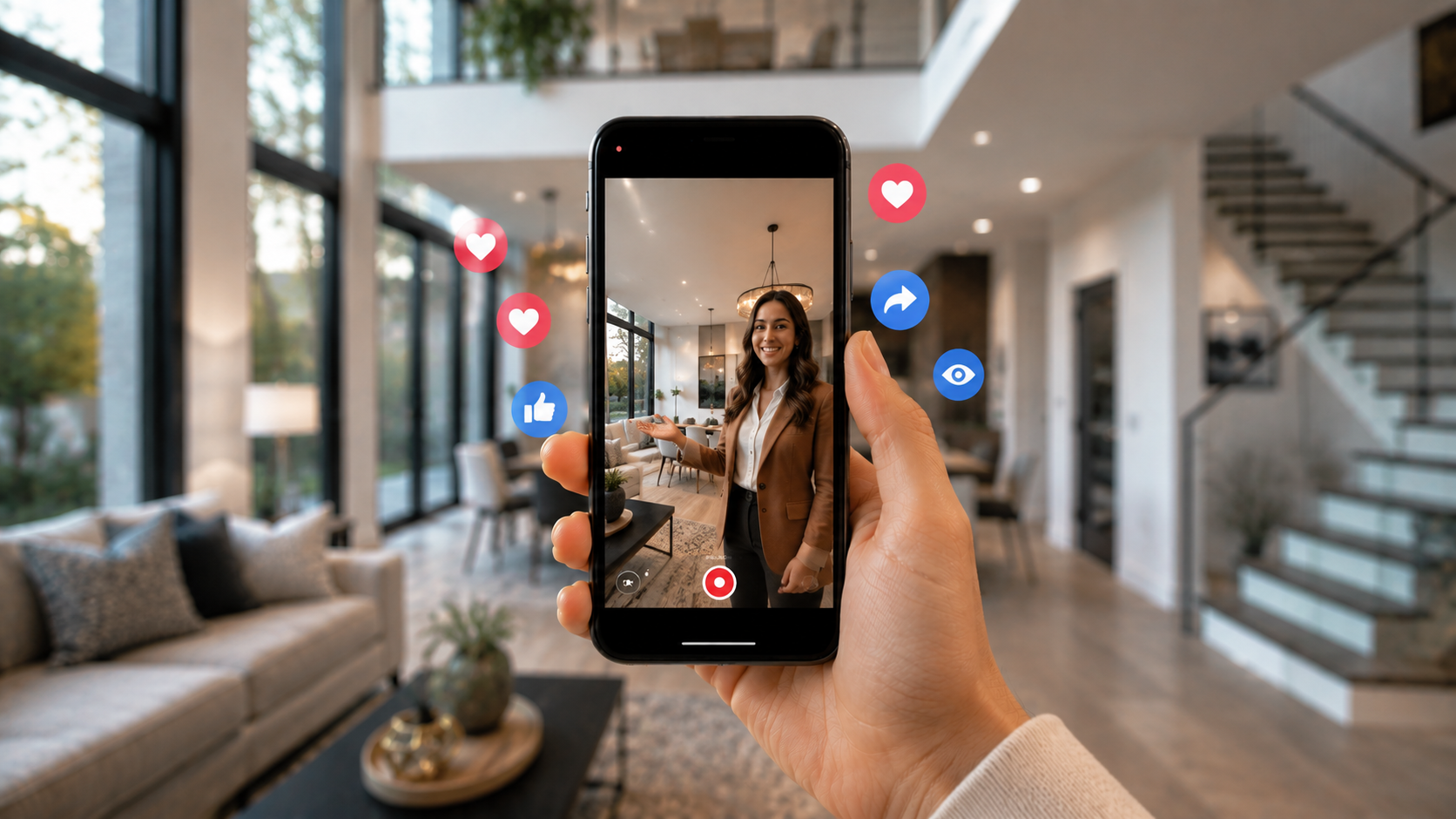
Live video is especially valuable because buyers can control the tour. Instead of watching a polished walkthrough that intentionally highlights the home's best features, they can ask the agent to return to the basement, show the ceiling stain more closely, look behind the garage, step outside during rush hour, or demonstrate how small a bedroom actually feels. That interaction makes remote buying significantly more practical. Still, digital viewing has obvious limitations. Video cannot reliably communicate smells, subtle moisture problems, how uneven a floor feels, the exact scale of a room, or the atmosphere of a street after dark. A smooth camera movement can also make an awkward layout seem more natural than it is. For that reason, social video works best as an extension of traditional due diligence rather than a replacement for it. Virtual tours make geography less restrictive, but inspections, professional evaluations, reliable local representation, and careful contract protections remain essential when buyers cannot personally visit a property.
Algorithms Are Influencing Which Homes Buyers Notice
One of the least visible changes in home buying is happening behind the screen. Social platforms don't show users a neutral collection of available properties. Algorithms decide what appears based on previous behavior: videos watched, posts saved, accounts followed, locations searched, comments opened, and content shared. If someone watches several modern farmhouse tours, the platform may show them dozens more. If they engage with “moving to Nashville” videos, their feed may quickly fill with Nashville real estate agents, neighborhood guides, mortgage content, and listings. The algorithm gradually builds a version of the housing market around the user's attention.
That personalization is convenient because buyers receive more relevant content without constantly searching for it. Yet it can quietly narrow their perspective. A person may begin believing a certain home style, suburb, or price range dominates the market simply because the algorithm keeps reinforcing it. Viral listings create another distortion. Dramatic architecture, luxury finishes, unusual design, or surprisingly low prices generate more engagement than ordinary but practical homes, which means the properties that perform best on social media aren't necessarily representative of normal inventory. Buyers can protect themselves by intentionally widening their information sources. Search different neighborhoods, compare listings through major real estate platforms, review recent sales, speak with local professionals, and pay attention to homes that don't make cinematic videos. Real estate is already emotional; algorithms can amplify that emotion by repeatedly presenting highly engaging versions of the dream. Once buyers understand this, social media becomes easier to use intelligently. The feed can inspire the search, but buyers should choose their criteria rather than allowing an algorithm to quietly choose those criteria for them.
DMs Are Replacing Some Traditional First Contacts
The first conversation between a buyer and an agent is becoming much less formal. Instead of calling an office or filling out a website form, someone might reply to an Instagram Story with, “Is this still available?” A few messages later, the buyer has shared their budget, timeline, preferred neighborhoods, and phone number. TikTok, Facebook, Instagram, and other platforms have made direct messages a normal entry point into professional relationships. For younger buyers especially, sending a DM can feel easier than making an unexpected phone call to someone they've never met.
This lower barrier to communication can make the home buying process feel friendlier. Buyers can ask basic questions without feeling as though they've formally committed to working with an agent, and agents can respond in the same conversational environment where the relationship began. That said, important conversations eventually need to move into more appropriate channels. Financing details, identification documents, contracts, wire instructions, confidential financial information, and legally significant decisions should not casually live inside social media messages. Buyers should also verify that they're communicating with the actual professional represented by the account because impersonation and payment scams can occur in real estate transactions. A blue checkmark, large follower count, or polished profile isn't a substitute for independent verification. Social media is excellent for saying hello, requesting a showing, or opening a conversation. When the relationship becomes serious, buyers should expect clear professional communication through secure and documented channels. The casual DM may be the new handshake, but the transaction itself still requires professional safeguards.
Social Media Can Speed Up—and Complicate—Decision-Making
Social media operates at a fast pace, and that speed can spill directly into housing decisions. A buyer may see a listing video in the morning, message the agent during lunch, watch a virtual tour that afternoon, and consider writing an offer before dinner. In competitive markets, speed can be genuinely useful. Buyers who follow local agents sometimes learn about new listings, upcoming open houses, price adjustments, or properties coming to market before those opportunities reach their broader awareness through normal search routines. Social platforms can also make communication faster among buyers, agents, lenders, and family members who are helping with the decision.
But speed has a psychological cost. Social media is designed around immediacy, while buying a house deserves careful thinking. The fear of missing out can become intense when a video has thousands of likes and comments saying, “This will be gone tomorrow.” Buyers may interpret social engagement as proof that a property is a rare opportunity, even though views and likes have little to do with the home's actual value. Comparison creates similar pressure. Someone watching friends purchase homes or influencers renovating beautiful properties may feel behind financially and rush toward ownership before they're ready. A healthy buying decision should survive outside the feed. Buyers need time to examine their budget, financing terms, inspection findings, insurance costs, property condition, neighborhood fit, and long-term plans. Social media can make the search faster, but it should not make the buyer careless. The goal isn't to move slowly for the sake of moving slowly; it's to make sure urgency comes from actual market conditions rather than digital excitement.
The Risks Buyers Should Not Ignore
Every technology that makes buying easier can create new opportunities for mistakes, and social media is no exception. The most obvious problem is presentation. A listing video is marketing, even when it feels casual. Strategic camera angles can hide a busy road. Bright editing can make dark rooms look cheerful. Virtual staging can fill awkward spaces with furniture that doesn't physically exist. A creator can spend forty-five seconds showing a kitchen renovation while never mentioning an aging roof, an expensive homeowners association, flood exposure, foundation movement, or outdated electrical systems. Buyers need to maintain the same skepticism toward social content that they would bring to any advertisement.
Misinformation is another concern. Real estate, mortgage lending, taxes, contracts, insurance, and investment all contain details that vary by jurisdiction and individual situation. Social platforms reward simple answers, yet the correct answer to many housing questions is “it depends.” Scams create an even more serious risk. Fraudsters may copy agent profiles, advertise properties they don't control, request deposits, impersonate professionals, or send fake payment instructions. Buyers should independently verify identities and never treat social messaging as sufficient proof when money is involved. Privacy matters too. Publicly posting that you're buying a home, discussing your budget, or revealing details about your transaction can expose more information than you intended. None of these risks mean buyers should avoid social platforms. They simply mean the convenience of social media should be matched by stronger verification habits. Attractive content can help you find an opportunity; professional inspections, secure communication, documented records, and independent research help you determine whether that opportunity is real.
How Smart Buyers Can Use Social Media Without Getting Burned
The best way to use social media in a home search is to treat it as one layer of a larger research process. Start by allowing platforms to broaden your options rather than define them. Follow local agents, lenders, builders, neighborhood organizations, inspectors, architects, city accounts, local businesses, and residents. Seeing different perspectives makes it harder for one highly persuasive creator to dominate your understanding of a market. When a property catches your attention, move from social discovery to objective research. Review the full listing, property history, comparable sales, disclosures where available, taxes, estimated ownership costs, maps, insurance considerations, and other relevant details.
The same principle applies to advice. If a thirty-second video teaches you something about mortgage points, inspection contingencies, seller credits, or down payments, write down the question and discuss it with the appropriate professional in the context of your situation. Think of social media as the friend who introduces you to an interesting idea, not the attorney, lender, inspector, or financial professional responsible for confirming whether that idea works for you. Buyers should also separate inspiration from requirements. A dramatic kitchen or perfect backyard can pull attention away from fundamentals such as monthly affordability, commute, structural condition, future maintenance, and resale flexibility. Creating clear buying criteria before scrolling can help preserve that perspective. Social media works best when it increases your knowledge without taking control of your judgment. Used intentionally, it can help you discover neighborhoods, understand terminology, evaluate professionals, monitor new inventory, and arrive at showings with better questions than buyers could easily develop a decade ago.
What This Shift Means for Real Estate Agents and Sellers
For agents and sellers, social media has changed real estate marketing from a one-time listing event into an ongoing conversation. An agent no longer needs to wait until someone actively searches for a property to reach them. Consistent neighborhood videos, market explanations, home maintenance tips, behind-the-scenes content, client stories, and property tours can build an audience months or even years before those followers are ready to move. That changes the competitive landscape. Agents aren't only competing on access to listings; they're competing on communication, trust, local knowledge, personality, responsiveness, and the ability to explain a complicated process in ways consumers actually understand.
Sellers benefit because a strong social strategy can create additional exposure and present the home's story more creatively than a standard listing page alone. A century-old house can be marketed around architectural character. A downtown condo can focus on walkability and lifestyle. A suburban property can highlight flexible living space and proximity to local amenities. Yet sellers should remember that social popularity isn't the same as serious buyer demand. A video can attract hundreds of thousands of viewers who have no intention—or financial ability—to purchase the home. The strongest marketing strategy therefore combines compelling social storytelling with professional photography, accurate pricing, listing distribution, showings, open houses where appropriate, responsive communication, and a clear understanding of local buyer behavior. For agents, the message is equally clear: social media is becoming part of the service, not simply part of the advertising. The professionals who offer useful information consistently can begin building relationships long before a buyer fills out a lead form.
Conclusion
Social media hasn't replaced the traditional home buying journey. It has stretched, rearranged, and personalized it. Discovery can happen before a buyer officially starts searching. Neighborhood research can happen through residents' phones. Agent interviews can begin silently while buyers watch months of content. Property tours can cross state lines instantly, and complicated housing concepts can be explained in the same feed where someone just watched a cooking video. That accessibility gives buyers more information and more control, particularly when they know how to separate useful signals from persuasive marketing.
The biggest change may be psychological. Buying a home has become a continuous digital experience rather than a series of isolated appointments. You can think about homes at breakfast, save listings during lunch, watch neighborhood tours after work, and send an agent a question from the couch. That continuity can make the process easier and more educational, but it can also create pressure, comparison, information overload, and false confidence. Successful buyers will be the ones who combine the best of both worlds. They can use Instagram for inspiration, TikTok for discovering questions, YouTube for deep research, community platforms for local perspective, and messaging tools for convenient communication while still relying on inspections, documentation, qualified professionals, objective data, and their own financial boundaries. Social media may change how the journey begins and how quickly it moves, but the destination hasn't changed: finding a home that works not only on camera, but in real life.
Real estate videos, made simple.
Subscribe