How to Build Trust Before the First Property Viewing
Published:
July 18, 2026
A property viewing may be the first time a buyer physically enters a home, but it is rarely the first time they form an opinion about it. That opinion begins much earlier, often with a photograph, a message, a phone call, or a short video. Before buyers notice the size of the kitchen or the condition of the garden, they are already asking themselves another question: Can I trust the person presenting this property? The answer influences whether they book a viewing, attend it with an open mind, or quietly move on to another listing.
Trust matters because buying or renting a home is not a casual decision. People are dealing with large amounts of money, personal plans, family needs, deadlines, and plenty of uncertainty. Even confident buyers can feel nervous when information is incomplete or communication seems vague. They worry about hidden problems, misleading photographs, unexpected costs, or wasting an afternoon on a property that never matched the description. Those concerns may not always be spoken aloud, but they shape every interaction.
Building trust before the first property viewing is not about using clever persuasion. It is about reducing unnecessary uncertainty. Clear information, realistic presentation, reliable communication, and respectful follow-up all tell buyers that they are dealing with someone who values their time. When people feel informed rather than managed, they become more comfortable asking honest questions and sharing what they actually need.
That early trust benefits everyone involved. Buyers arrive better prepared, sellers receive more suitable visitors, and conversations become more productive. The viewing no longer begins with suspicion or confusion. It begins with a sense that the property has been presented fairly and that the person guiding the process is worth listening to.
Trust Begins Long Before the Front Door Opens
Many people imagine trust being built during the viewing itself. They picture a friendly greeting, a knowledgeable tour, and clear answers to questions. Those moments certainly matter, but the buyer has already collected several clues before reaching the property. The tone of the listing, the speed of the reply, the quality of the photographs, and even the way the appointment is confirmed can either strengthen confidence or create doubt.
Think of trust as a bridge. The viewing is not the beginning of the bridge; it is somewhere near the middle. The first section is built when the buyer discovers the property online. If the description is confusing, the images look unrealistic, or important details are missing, the bridge already feels unstable. A buyer may still arrange a visit, but they will arrive looking for evidence that something has been hidden.
The opposite is also true. When the listing gives useful information, the images feel honest, and the first reply is thoughtful, the buyer begins the relationship with a more open attitude. They feel that the property is worth exploring and that their questions will be taken seriously. This does not mean they will automatically love the home, but they are more likely to judge it fairly.
Consistency is a major part of this early trust. The information in the advertisement should match what is said in messages and phone conversations. If the listing describes a quiet location but the agent later mentions heavy traffic, the buyer may wonder what else has been softened. Small contradictions create large doubts because people naturally assume that visible inconsistencies may point to hidden ones.
The process should also feel organised. A clear confirmation message, accurate directions, parking information, and a realistic appointment time show respect for the buyer. These details may look administrative, but they communicate reliability. When simple promises are kept before the viewing, buyers are more willing to trust larger statements about the property.
Understand What Makes Property Buyers Feel Cautious
Trust becomes easier to build when you understand what buyers are worried about. Most people are not suspicious for no reason. They have heard stories about misleading listings, hidden defects, aggressive sales tactics, and homes that look completely different in person. Some have experienced these problems themselves. By the time they contact someone about a property, they may already be protecting themselves from disappointment.
One common concern is that the photographs have been edited or taken with extreme angles. Buyers know that lighting, lens choice, and careful framing can make a room appear larger or brighter. They may wonder whether the spacious-looking bedroom can actually fit normal furniture or whether the beautiful garden is much smaller than it seems. If the visual presentation feels too perfect, it can sometimes create more doubt rather than more desire.
Buyers also worry about missing information. Why is there no photograph of the bathroom? Why does the description avoid mentioning the condition of the roof? Why is the exact size unclear? When obvious questions remain unanswered, people often fill the gap with negative assumptions. Silence can make a small issue look much worse than it really is.
Pressure is another concern. Buyers may fear that the person handling the viewing will push them to make a quick decision, compete with unnamed offers, or reveal more financial information than they are comfortable sharing. This is especially stressful for first-time buyers, who may not understand which questions are normal and which ones they can choose not to answer.
The best response is not to tell people that they have nothing to worry about. That phrase rarely works because it asks for trust without earning it. A better approach is to remove the reasons for worry. Provide accurate details, explain limitations, invite questions, and avoid creating false urgency. When buyers see that caution is respected rather than challenged, they are more likely to relax.
Make the First Contact Fast, Warm, and Useful
The first response to an inquiry sets the emotional tone for everything that follows. Buyers do not expect an instant reply at every hour of the day, but they do expect acknowledgement within a reasonable period. A long silence can suggest that communication will remain slow throughout the process. It may also give another property enough time to capture their attention.
Speed alone is not enough. A response that arrives quickly but feels cold or automated can create distance. The message should sound like it came from a real person who has understood the inquiry. Using the buyer’s name, referring to the specific property, and answering the question they actually asked can make a simple reply feel much more personal.
The first contact should also be useful. Instead of writing only, “Yes, it is available,” add the next practical step. Mention possible viewing times, offer a key document, clarify an important feature, or ask one relevant question about the buyer’s availability. This reduces unnecessary back-and-forth and shows that the conversation is moving somewhere.
Tone matters greatly. Property communication should feel professional without becoming stiff. A buyer should not feel as though they are speaking to a machine or entering a formal interview. Clear, natural language works best: friendly enough to encourage questions, but organised enough to inspire confidence.
It is also important to avoid overwhelming the person. Sending several long messages, multiple documents, and a list of personal questions immediately can feel intrusive. Start with what the buyer needs at that moment. Additional information can follow as the conversation develops.
A strong first response quietly communicates three things: I have seen your inquiry, I understand what you need, and I will help you take the next step. That is a powerful foundation for trust because it replaces uncertainty with movement. The buyer does not need to chase information or guess what happens next.
Be Transparent About the Property From the Beginning
Transparency does not mean presenting a property negatively. It means describing it accurately enough that buyers can make an informed decision about viewing it. Every home has limitations. A room may be compact, the kitchen may need updating, parking may be restricted, or the property may sit near a busy road. Hiding these facts rarely creates a successful viewing. It simply delays the buyer’s disappointment.
People are often more accepting of a limitation when they hear about it early. A buyer who knows that the third bedroom is small may still attend because it could work as an office or nursery. If the room was described as a spacious bedroom and turns out to be tiny, the issue becomes bigger than its physical size. The buyer is no longer evaluating the room; they are questioning the honesty of the entire presentation.
Transparency can also strengthen the positive features. Honest communication creates contrast. When a buyer hears both the advantages and the limitations, praise sounds more believable. Saying that a home has a wonderful garden but an older kitchen feels balanced. Saying that every part of the property is amazing sounds like advertising.
The language used to discuss drawbacks matters. There is no need to dramatise them. Clear, neutral wording works best. For example, “The property is close to a main road, so you may notice traffic at busy times” is more helpful than either hiding the location or describing it as unbearably noisy. The buyer receives useful context without being told what to think.
Transparency should extend to the process as well. Explain whether the property is occupied, whether renovation work has been completed, and whether any information is still being confirmed. If you do not know the answer to a question, say so and promise only what you can realistically provide.
Trust grows when words match reality. Buyers do not expect every home to be perfect, but they do expect the presentation to be fair. An honest limitation rarely destroys interest as quickly as a misleading claim.
Use Accurate Photos, Video, and Property Descriptions
Visual content shapes expectations before the viewing. Good photographs and video can make a property appealing, but their purpose should be to reveal the home rather than disguise it. Buyers want to understand the layout, light, condition, and atmosphere. When the content helps them do that, trust begins to form naturally.
Wide-angle images should be used carefully. They can show more of a room, but extreme distortion makes walls stretch and furniture appear unusually small. Buyers often recognise this technique and become suspicious. A better visual presentation uses several realistic angles, including shots that show how rooms connect. The goal is not to make the home look larger than it is; the goal is to make the actual space easy to understand.
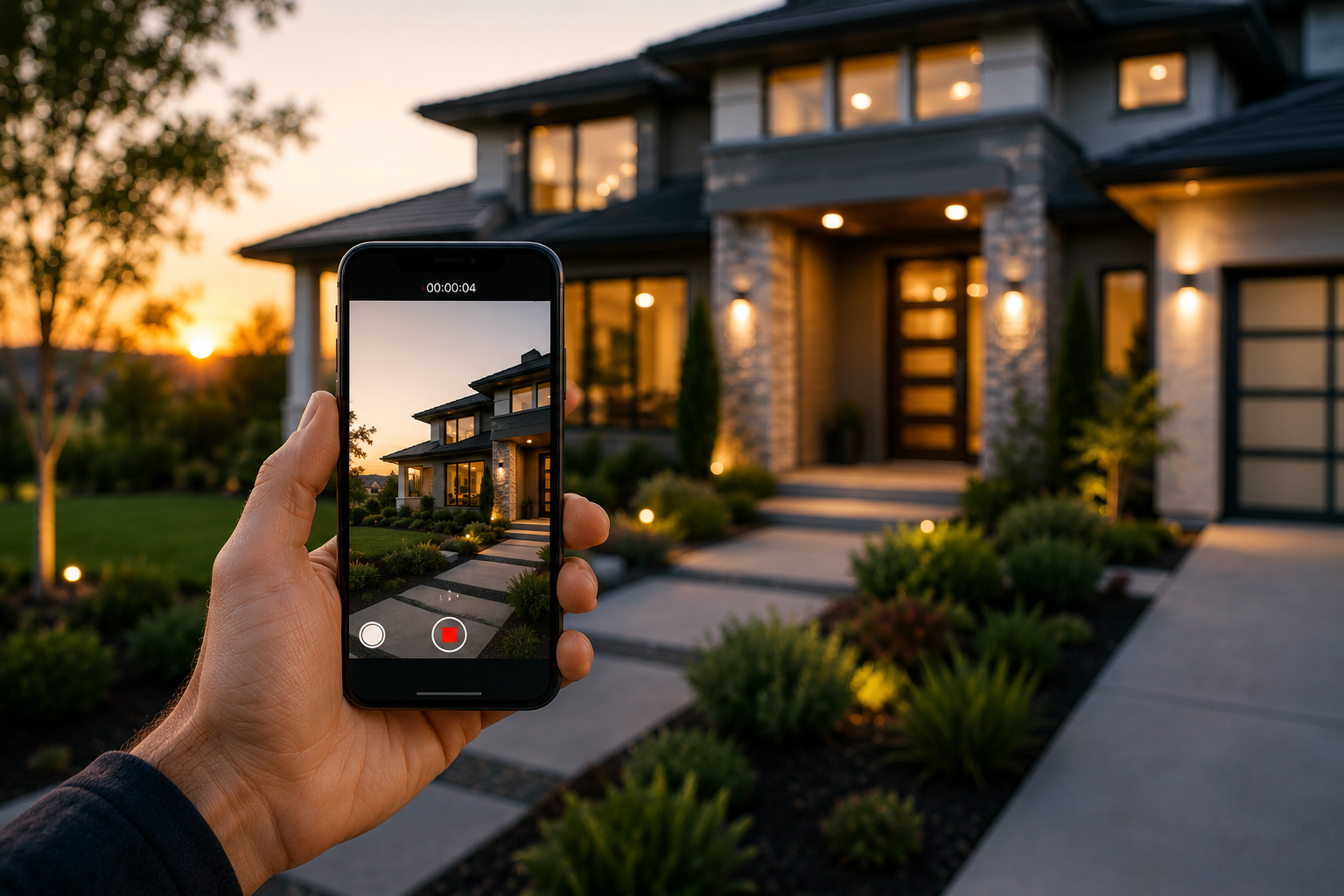
Video is especially useful because it shows movement through the property. Buyers can see whether the kitchen opens into the living room, how far the bedrooms are from one another, and whether the garden feels private. A clear walkthrough reduces the gap between online expectations and the real viewing. That gap is where much of the distrust in property marketing begins.
Descriptions should support the visuals rather than repeat them. Instead of writing that a room is “beautiful” or “stunning,” explain why it may be useful. Mention natural light, storage, access to the garden, ceiling height, or flexibility. Specific information feels more trustworthy than exaggerated adjectives.
Missing areas should be explained. If a room cannot be photographed because it is being repaired or used for storage, say so. Buyers may still proceed, but they will appreciate knowing why the visual record is incomplete. When an important area disappears from the presentation without explanation, people naturally imagine the worst.
Accuracy does not make marketing boring. In fact, realistic content can be more persuasive because buyers believe what they are seeing. A property shown honestly attracts people who are interested in the real home, not an edited version that exists only on a screen.
Explain What Will Happen Before, During, and After the Viewing
Uncertainty makes people uncomfortable. Buyers may not know how long the viewing will take, whether the seller will be present, how many other people are attending, or what they will be expected to discuss. A short explanation of the process can remove much of this tension. The more predictable the experience feels, the easier it is for buyers to focus on the property.
Before the appointment, provide the essential details in one clear message. Include the date, time, address, expected duration, parking instructions, and the name of the person conducting the viewing. Mention whether shoes need to be removed, whether pets are present, or whether access to any part of the property is limited. These details prevent awkward surprises.
It also helps to explain the style of the viewing. Will the buyer receive a guided tour first and then have time to look around independently? Can they take measurements? Are photographs allowed for personal reference? Buyers appreciate knowing whether they can inspect the property at their own pace or whether the appointment will be tightly scheduled.
During the viewing, the guide should briefly explain what will happen next. A simple statement such as, “I’ll show you the main rooms first, then you can take another look and ask anything you like,” helps the buyer relax. It also prevents the tour from feeling rushed or confusing.
The next steps should be clear as well. Buyers should know how to request documents, arrange a second viewing, or express interest. They should not leave wondering whether they must make an immediate decision. A transparent process allows them to think while keeping the conversation open.
Predictability is not the same as rigidity. The viewing should still feel natural and responsive. The purpose of explaining the process is to give the buyer a map, not to control every minute. When people know where they are going, they feel more confident taking the journey.
Show Expertise Without Turning the Conversation Into a Sales Pitch
Buyers want to deal with someone knowledgeable, but they do not want to feel trapped in a performance. Expertise builds trust when it appears through useful answers, clear explanations, and calm guidance. It loses value when every conversation turns into a speech about experience, success, or how quickly the property will disappear.
The easiest way to demonstrate knowledge is to answer the questions buyers are already asking. Explain the property’s age, layout, renovation history, local transport, typical running costs, or possible maintenance needs. When an answer is uncertain, separate confirmed facts from assumptions. This honesty often creates more confidence than pretending to know everything.
Useful expertise also includes helping buyers notice practical details. You might explain where the afternoon light enters, how storage is arranged, or why a particular renovation was completed. These observations add value because they help the buyer understand the property more deeply. They should not be used to distract from obvious weaknesses.
Avoid excessive industry language. Buyers should not need a dictionary to understand the conversation. Simple explanations show confidence because they do not hide behind technical terms. When a technical phrase is necessary, explain what it means and why it matters.
It is also important to listen. Real expertise is not just the ability to speak; it is the ability to identify what the buyer needs to know. A family with young children may care about room arrangement and outdoor safety. Someone working from home may focus on noise, light, and internet access. The same property should not be presented with the same speech to every person.
A sales pitch tries to create enthusiasm. Expertise creates understanding. The second is far more powerful because buyers can generate their own enthusiasm once they see that the property genuinely suits them. Trust grows when information supports the decision rather than pushing it.
Personalize the Communication
Generic communication makes buyers feel like numbers. Personalised communication makes them feel heard. This does not require collecting large amounts of private information or writing completely different messages for every person. Small signs of attention are often enough.
Start by remembering what the buyer has already said. If they mentioned needing a home office, point out the room that could serve that purpose. If they asked about public transport, provide the relevant details before the appointment. Repeating the same questions or sending unrelated information suggests that the earlier conversation was not taken seriously.
Personalisation should be helpful, not intrusive. There is a difference between asking what kind of property someone needs and questioning their private life. Buyers should feel comfortable sharing only the information necessary for the search and viewing. Respecting boundaries is part of building trust.
The language can also be adjusted to the buyer’s communication style. Some people prefer short, practical messages. Others ask detailed questions and appreciate fuller explanations. Matching that style makes the interaction easier. It does not mean copying the person’s tone exactly; it means noticing how much information helps them feel comfortable.
Timing matters as well. A buyer who works during the day may prefer written updates rather than unexpected calls. Someone arranging a viewing quickly may appreciate a direct phone conversation. Asking about the preferred method of communication can prevent frustration and show consideration.
Personalisation also helps manage expectations. When you understand the buyer’s priorities, you can be honest about whether the property is likely to suit them. Telling someone that a home may not meet one of their essential needs can actually increase trust. It shows that the goal is not simply to secure a viewing.
People remember how communication made them feel. When they feel recognised rather than processed, they approach the property with greater confidence and openness.
Give Buyers Space to Think and Ask Questions
Trust cannot grow under constant pressure. Buyers need enough space to process information, compare options, and discuss the property privately. A rushed decision may produce a quick response, but it can also create regret, withdrawal, or resentment later. Respecting the buyer’s thinking time leads to stronger decisions.
Before the viewing, invite questions without making the conversation feel like an interrogation. A simple message such as, “Let me know if there is anything specific you would like to check during the visit,” gives the buyer control. It also helps the person conducting the viewing prepare useful answers.
During the appointment, silence should not be treated as a problem. Buyers often need a moment to look around and imagine themselves in the space. Filling every quiet second with commentary can make it difficult for them to think. A good guide knows when to explain and when to step back.
Questions should be answered directly. Avoid changing the subject when the answer is uncomfortable. If the buyer asks about noise, maintenance, previous offers, or the reason for the sale, provide what can be shared accurately and appropriately. If information is private or unavailable, explain that clearly rather than inventing a vague answer.
After the viewing, give the buyer a reasonable opportunity to reflect. A follow-up message can keep the conversation open without demanding an immediate decision. Phrases like “What did you think?” may feel harmless, but they can be too broad. More useful questions ask whether the property matched expectations or whether any additional information would help.
Space communicates confidence. When buyers are not being pushed, they are more likely to believe that the property can stand on its own qualities. They also feel safer expressing concerns, which creates a more honest and productive conversation.
Prepare the Seller and the Property Properly
Trust can be damaged even when the communication before the viewing has been excellent. If the property is not ready, buyers may feel that their time has not been respected. Preparation does not require creating a perfect show home, but the space should be clean, accessible, and reasonably consistent with the online presentation.
The seller should understand the viewing process. They need to know when visitors will arrive, how long the appointment may last, and whether they should remain in the property. In many cases, buyers feel more comfortable speaking openly when the seller is not standing nearby. If the seller must remain, their role should be discussed in advance.
Personal security and privacy also matter. Valuable items, sensitive documents, medication, keys, and personal information should be stored safely. This protects the seller and creates a more relaxed environment. Buyers should be able to view the property without feeling that they are entering spaces that were not meant to be seen.
Lighting, temperature, and access affect the experience. Dark rooms, locked doors, unpleasant smells, or cluttered passages can make buyers suspicious. They may wonder whether certain areas are being hidden or whether maintenance has been neglected. Opening curtains, checking lights, and ensuring that important rooms are accessible can prevent these doubts.
The property should also match the promises made in the listing. If a garden was presented as a major feature, it should be accessible. If storage was highlighted, the buyer should be able to understand where it is. A viewing loses credibility when the best advertised features cannot be properly examined.
Preparation is really a form of respect. It tells buyers that their appointment matters and that the seller is serious about the process. That impression supports the trust created through earlier communication.
Follow Up Thoughtfully After the Initial Inquiry
Follow-up is necessary, but the style of follow-up determines whether it builds trust or creates pressure. Buyers may be interested while also managing work, finances, family conversations, and other viewings. Repeated calls or urgent messages can make them step away from a property they were still considering.
A thoughtful follow-up refers to the actual conversation. Instead of sending a generic reminder, mention the document requested, the viewing time discussed, or the feature the buyer asked about. This shows that the message has a purpose beyond simply chasing a response.
The timing should feel reasonable. If someone has asked for information, send it promptly. If they have not replied to a viewing suggestion, one polite reminder may be appropriate. Several messages across different channels within a short period can feel invasive.
Follow-up should also provide value. You might send a floor plan, answer an unanswered question, clarify parking, or share an updated appointment option. A message that helps the buyer is more welcome than one that simply asks whether they are still interested.
The tone should leave room for an honest answer. Buyers should feel comfortable saying that the property is not suitable. That response is useful because it saves time and may reveal what they need instead. When people fear an uncomfortable reaction, they are more likely to disappear without replying.
A strong follow-up could say, “I wanted to check that you received the floor plan and see whether you would like to arrange a viewing. No problem if the property is not the right fit.” This message keeps the door open without blocking the exit.
Trust grows when follow-up feels like support rather than pursuit. The buyer should sense that the goal is to help them make a clear decision, not simply to push them toward the next step.
Avoid the Small Mistakes That Destroy Trust
Trust is often lost through small inconsistencies rather than one dramatic failure. A forgotten call, an incorrect room size, or a confusing appointment message may seem minor in isolation. Together, these details can make the entire process feel unreliable.
One common mistake is overpromising. Saying that information will be sent “in five minutes” and delivering it the next day creates disappointment that could have been avoided. It is better to give a realistic expectation and keep it. Reliability is built through promises that are small enough to keep consistently.
Another trust killer is avoiding direct questions. Buyers notice when answers sound rehearsed or incomplete. If a problem exists, acknowledge it. If the answer is unknown, say that it needs to be checked. Pretending certainty may protect the conversation for a moment, but it creates a larger problem when the truth appears later.
Inconsistent information is equally damaging. The listing, floor plan, messages, and spoken description should agree. If measurements are approximate, label them clearly. If details change, inform interested buyers rather than hoping they will not notice.
Excessive urgency can also raise suspicion. Claims that a buyer must act immediately should be based on real circumstances, not used as a general pressure tactic. People may wonder why a strong property needs such aggressive persuasion.
Poor organisation creates a similar effect. Double-booked appointments, missing keys, wrong addresses, and late arrivals all communicate carelessness. Even when the property itself is excellent, buyers may worry that the wider transaction will be handled in the same way.
The best protection against these mistakes is a simple habit: check what has been promised, confirm what is known, and communicate changes early. Trust does not require perfection. People can accept mistakes when they are acknowledged and corrected. What damages confidence is the feeling that accuracy and responsibility do not matter.
Conclusion
Building trust before the first property viewing is not a complicated trick. It comes from a series of clear, respectful choices. Accurate listings, realistic visuals, prompt replies, useful information, and honest answers all reduce the uncertainty buyers naturally feel.
The first contact should make the buyer feel recognised rather than processed. The property presentation should help them understand the real home, not an exaggerated version of it. The viewing process should be explained clearly enough that they know what to expect. These simple steps create a sense of safety before anyone reaches the front door.
Transparency is especially powerful. Buyers do not expect every property to be flawless. They understand that homes have compromises, maintenance needs, and unusual features. What they dislike is discovering that obvious facts were hidden. An honestly presented limitation usually creates less resistance than an unpleasant surprise.
Trust also requires patience. Buyers need room to ask questions, inspect the property, and think about their decision. Pressure may create activity, but respect creates confidence. When people feel free to say yes, no, or not yet, their final response is more meaningful.
The first property viewing should feel like a natural continuation of the earlier communication. The images should match the rooms, the promises should match the experience, and the person conducting the tour should match the tone established beforehand. When those elements are consistent, trust feels effortless.
A buyer who trusts the process is more likely to attend, engage, ask useful questions, and consider the property seriously. A seller benefits from better-prepared visitors and more honest feedback. Trust does not guarantee that every viewing will lead to an offer, but it gives every suitable buyer a fair reason to keep moving forward.
Real estate videos, made simple.
Subscribe