How to Use Video to Get More Seller Listings
Publié le :
July 11, 2026
If you want more seller listings, video is not just “nice marketing” anymore. It is the loudspeaker, handshake, proof package, and trust-builder all rolled into one. Sellers are not sitting around waiting for a random agent to cold call them and say, “Hey, wanna sell?” They are watching, judging, comparing, and quietly deciding who looks legit before they ever fill out a form or book a listing appointment. That is why real estate video marketing for sellers has become one of the smartest plays for agents who want more listings without sounding desperate.
Here is the real deal: homeowners do not hire the agent with the fanciest logo. They hire the agent who makes them feel safe, informed, and confident that their home will not be treated like just another address in the MLS. Video helps you show that before you even meet them. You can explain the market, walk through your listing strategy, show your sold results, break down neighborhood trends, and answer all the little questions sellers are too shy to ask out loud. A blog can educate them. A flyer can remind them. But video makes them feel like they already know you, and that is a massive advantage.
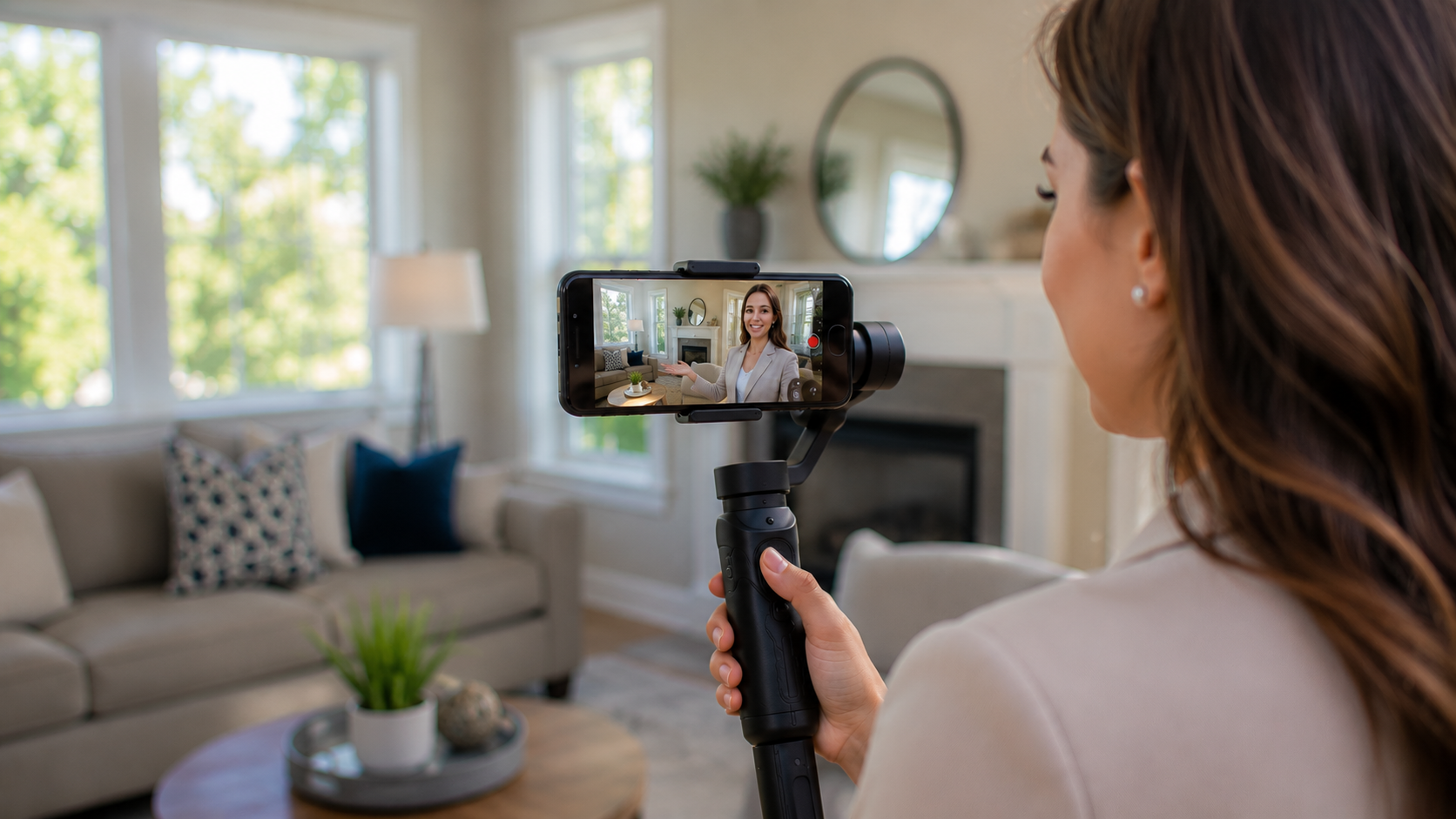
The best part? You do not need a Hollywood crew, a drone operator named Chad, or a $5,000 camera setup to make this work. You need a clear message, a seller-focused strategy, and the guts to show up consistently. Your phone is enough to start. Your face, voice, stories, local knowledge, and honest advice are what actually make the content hit. So let’s break down exactly how to use video to get more seller listings, build trust with homeowners, and turn quiet online attention into real listing appointments.
Why Video Is a Seller-Listing Machine
Video works so well for seller listings because it gives homeowners something they desperately want before making a big decision: confidence. Selling a home is not like ordering lunch or buying a pair of sneakers. It is emotional, expensive, stressful, and usually tied to a major life change. Maybe the seller is moving for work, downsizing after the kids left, dealing with a divorce, relocating closer to family, or trying to cash out at the right moment. Whatever the reason, they are not just looking for an agent. They are looking for someone who can guide them through a high-stakes transition without making a mess.
That is where seller-focused real estate videos come in hot. Video lets you show your thinking, not just your smile. You can explain why pricing matters, what buyers are reacting to, how preparation affects offers, what happens during inspection negotiations, and why some homes sit while others get snapped up fast. Sellers want to know you have a plan. They want to see that you understand the market beyond generic “now is a great time to sell” fluff. When you put that expertise on video, you stop being just another name on a postcard and start becoming the person they trust before the appointment even happens.
Video also creates familiarity, and familiarity is underrated. When a homeowner sees you show up week after week with useful advice, your face starts to feel familiar. Your voice becomes recognizable. Your opinions feel less random and more grounded. By the time they finally reach out, the relationship is already warm. That is the magic. Cold leads become warm leads before you ever send a text. Video does not magically force sellers to list with you, but it stacks the odds in your favor because it helps you become the obvious choice.
Sellers Need Trust Before They Ever Call You
Most sellers do not wake up one morning and instantly call the first agent they see online. They lurk first. They check your social media, watch your videos, browse your past sales, read reviews, maybe stalk your website a little, and silently ask, “Does this person actually know what they’re doing?” That quiet research phase is where video does its best work. It gives you a chance to build trust while the seller is still in the “thinking about it” stage, long before they say, “We’re ready to list.”
Trust is built when sellers feel like you are telling the truth, not just pitching them. A homeowner can smell salesy nonsense from a mile away. If every video sounds like, “The market is amazing, call me today,” people tune out fast. But when you say, “Here are three things sellers in this neighborhood need to watch before pricing their home,” suddenly you sound useful. When you explain why overpricing can backfire, why staging matters in certain price points, or why the first two weeks on market are so important, sellers start thinking, “Okay, this person gets it.”
The beauty of video is that it carries tone. A written post can be helpful, but video shows your confidence, warmth, humor, patience, and honesty. Sellers can see whether you sound calm under pressure. They can feel whether you explain things clearly or hide behind jargon. They can decide whether they would want you across the kitchen table during a serious pricing conversation. That is huge because listing appointments are not won only by data. They are won by trust. Video lets you earn some of that trust before the seller even knows they need you.
Video Shows Your Value Without Begging for Attention
Nobody loves being chased by an agent. Sellers do not want to feel like a walking commission check. That is why video is so powerful: it lets you show value without constantly asking for business. Instead of saying, “Pick me, pick me,” you are showing up with helpful content that answers real questions. That changes the whole vibe. You become less of a salesperson and more of a local advisor who actually brings something useful to the table.
Think about the difference between a cold message that says, “Do you know anyone looking to sell?” and a video titled, “Should You Renovate Before Selling in This Market?” One feels needy. The other feels helpful. One asks the seller to do something for you. The other gives the seller something valuable. That is a big shift. When homeowners watch your videos and learn from you, they begin to associate your name with clarity. When it is time to sell, they remember who made the process feel less confusing.
Video also gives you leverage because one good video can work for you over and over again. A seller education video can live on YouTube, your website, your email newsletter, Instagram, Facebook, LinkedIn, and even in your listing presentation. You record it once, and it keeps building trust while you are out showing homes, negotiating deals, or grabbing coffee. That is not lazy marketing. That is smart marketing. In a business where agents are constantly fighting for attention, video lets your expertise travel farther than your physical schedule ever could.
Build a Seller-First Video Strategy
A lot of agents make the mistake of creating videos they want to make instead of videos sellers actually need. They post random market updates, quick listing clips, and “just sold” graphics with music, then wonder why homeowners are not blowing up their inbox. The issue is not video itself. The issue is strategy. If you want video to help you get more listings, your content needs to speak directly to sellers, their fears, their goals, and the questions running through their heads at 11:47 p.m. when they are scrolling Zillow in bed.
A seller-first video strategy starts with empathy. What does a homeowner worry about before listing? They worry about price, timing, repairs, showings, privacy, moving logistics, taxes, inspection problems, lowball offers, and whether they are leaving money on the table. They also worry about choosing the wrong agent. Your job is to create videos that remove friction from those worries. Every helpful video is like a little trust deposit. You are showing sellers that you understand the process from their side, not just from your commission side.
The best strategy usually includes several types of videos. You need awareness videos for homeowners who are not ready yet. You need education videos for sellers who are starting to plan. You need proof videos for people comparing agents. You need direct call-to-action videos for sellers who are ready to book an appointment. When all of these pieces work together, your content feels like a pathway instead of random noise. Sellers can discover you, learn from you, trust you, and finally contact you when the timing feels right.
Speak to the Questions Homeowners Secretly Have
Sellers have tons of questions they do not always ask out loud because they do not want to look clueless. They wonder if their house is outdated. They wonder whether buyers will hate the carpet. They wonder if they should paint, renovate, replace appliances, or just sell as-is. They wonder what happens if the appraisal comes in low. They wonder if they can sell and buy at the same time without losing their mind. These are goldmine topics for video because they are real, emotional, and practical.
Instead of creating generic content like “5 Tips for Sellers,” get more specific. Try topics like “Should You Replace Your Flooring Before Selling?” or “The Biggest Pricing Mistake Homeowners Make in the First Week.” Those videos hit harder because they sound like they were made for an actual person with an actual problem. Specificity builds credibility. A seller is more likely to watch a video that answers the exact thing they are worried about than a broad video that feels like it came from a dusty marketing template.
The key is to talk like a human, not a real estate brochure. Say things plainly. Use examples. Tell sellers what you would tell a friend at the kitchen table. For example, instead of saying, “Strategic pre-market preparation can maximize net proceeds,” say, “Before you spend ten grand on upgrades, let’s make sure those upgrades will actually get you money back.” That feels real. That feels useful. And when your content feels useful, sellers keep watching. The more they watch, the more likely they are to see you as the agent who can guide them without the fluff.
Create Videos for Cold, Warm, and Ready Sellers
Not every seller is at the same stage, and your video content should not treat them like they are. Some homeowners are cold. They might sell someday, but not soon. Some are warm. They are watching the market, checking values, and talking casually with their spouse about moving. Some are ready. They want an agent, a price, a plan, and a sign in the yard. If all your videos only say “Call me today,” you are missing the people who need more nurturing before they raise their hand.
For cold sellers, create content that builds awareness without pressure. Talk about neighborhood trends, home equity, buyer demand, seasonal market patterns, and what makes certain homes more valuable. These videos should feel light, useful, and easy to watch. For warm sellers, go deeper. Explain pricing strategy, prep timelines, staging choices, inspection issues, and how to avoid common seller mistakes. These viewers are starting to think seriously, so they need more substance. For ready sellers, be direct. Show your listing process, marketing plan, case studies, testimonials, and clear next steps for booking a consultation.
This layered approach makes your video marketing feel natural. You are not forcing everyone into the same sales funnel. You are meeting people where they are. A homeowner might watch your neighborhood updates for six months, then your pricing videos for two weeks, then finally book a listing appointment after seeing a case study. That is how real decisions happen. People warm up over time. Your videos are the bridge between “I have no idea who this agent is” and “I feel like I already trust this person.”
Make Local Market Videos That Scream “I Know This Area”
If you want more seller listings, you need to become known as the local expert, not just another agent who happens to work nearby. Sellers want to hire someone who understands their specific market, street, buyer pool, price range, and timing. Generic national advice is fine, but local advice wins listings. A homeowner does not just want to hear, “Inventory is changing.” They want to hear what that means for their subdivision, condo building, school district, or price bracket. That is where local real estate video marketing becomes your secret weapon.
Local market videos prove that you are paying attention. They show sellers that you are not just repeating headlines from the internet. You are watching actual buyer behavior, local showing activity, pricing trends, days on market, competing listings, and neighborhood demand. This kind of content makes you look plugged in. And sellers love plugged-in agents because they believe those agents can price better, negotiate stronger, and market smarter.
The trick is to make local videos simple enough for regular people to understand. Sellers do not want a spreadsheet lecture with twenty acronyms and a chart that looks like it belongs in an economics class. They want the meaning behind the numbers. They want you to say, “Homes under this price point are still moving quickly, but overpriced homes are sitting longer,” or “Buyers are being picky right now, so prep matters more than it did last year.” That is the kind of practical interpretation that makes homeowners lean in. Data is good. Human explanation is better.
Turn Market Updates Into Simple, Human Advice
Market update videos can be boring if you make them boring. Nobody wants to watch you read stats like a sleepy robot. The goal is not to dump numbers on people. The goal is to translate the market into advice homeowners can actually use. Sellers care about what the market means for their plans. Should they list now or wait? Should they price aggressively or leave room to negotiate? Should they make repairs before going live? Should they expect multiple offers or prepare for longer days on market? Answer those questions, and your market videos become valuable.
A great market update video usually starts with a clear hook. Something like, “If you own a home in this neighborhood, here is what changed this month,” or “The market is not crashing, but sellers need to stop doing this.” That kind of opening gives people a reason to watch. Then keep the explanation conversational. Use one or two key points, not ten. Explain what is happening, why it matters, and what sellers should do next. That format keeps the video tight and practical.
You can also make these videos more interesting by adding your own field observations. Talk about what you are seeing at showings, open houses, inspections, and offer negotiations. Sellers love behind-the-scenes insight because it feels fresh and real. Saying, “I am seeing buyers push harder on inspection repairs this month,” is more useful than saying, “The market is shifting.” Specific beats vague every time. When homeowners hear consistent, grounded local advice from you, they begin to think of you as the person who knows what is actually going on.
Use Neighborhood Videos to Become the Local Face
Neighborhood videos are one of the best ways to attract future seller listings because they help you own a geographic area in people’s minds. When you consistently create content about a neighborhood, you become associated with that neighborhood. You are not just selling houses there. You are telling the story of the community. That matters because sellers often want an agent who can sell the lifestyle, not just the square footage. A home’s value is tied to the area around it, and video is perfect for showing that.
These videos do not need to be complicated. Walk through a local park and talk about why families like it. Film near a coffee shop and explain why that little pocket of town gets strong buyer interest. Do a quick drive-through of a subdivision and talk about home styles, price ranges, and what buyers usually love there. Highlight local restaurants, schools, trails, gyms, farmers markets, commute routes, and weekend spots. This kind of content makes your marketing feel alive. It tells sellers, “I know how to position this area because I actually understand it.”
The best part is that neighborhood videos attract both buyers and sellers. Buyers watch because they want to learn about the area. Sellers watch because they want to see whether you can represent their neighborhood well. If a homeowner sees you creating sharp, energetic, useful videos about their community, they start thinking, “This agent would probably market my home better than someone who just posts photos and calls it a day.” That is exactly the perception you want. You are not chasing listings. You are building local authority so listings start finding you.
Show Proof With Listing Case Study Videos
Sellers do not just want to hear that you are good. They want proof. That is why listing case study videos are absolute fire for winning seller clients. A case study video shows the story behind a successful sale. It explains the challenge, the strategy, the marketing, the result, and what other sellers can learn from it. Instead of bragging in a vague way, you are showing receipts. And in a world full of agents saying “I’m the best,” receipts hit different.
A good case study video does not need to sound like a corporate presentation. Keep it conversational. Start with the problem. Maybe the home had an awkward layout, outdated finishes, tough competition, poor previous listing photos, or a pricing challenge. Then explain what you did. Did you recommend paint, staging, better lighting, professional video, a pricing adjustment, pre-market buzz, targeted social ads, or stronger open house promotion? Finally, share the outcome. You do not always need to reveal private numbers if your client does not want that, but you can talk about results in a clear and ethical way.
These videos are powerful because sellers see themselves in the story. A homeowner with an outdated kitchen might watch your case study and think, “That sounds like my house.” A seller worried about timing might see how you built demand before launch. A person comparing agents might notice that your process is more thoughtful than the standard “list it and pray” approach. Case studies make your expertise tangible. They turn your marketing promise into a real example, and that helps sellers believe you can do the same for them.
Break Down Before-and-After Stories
Before-and-after videos work because humans love transformation. We love seeing the messy garage become organized, the dark room become bright, the empty space become staged, and the stale listing become a hot property. For sellers, these videos are especially useful because they show how preparation can affect perception. A homeowner may not understand why decluttering, paint, lighting, landscaping, or staging matters until they see it side by side. Video makes that transformation obvious.
The best before-and-after videos do more than show pretty visuals. They explain the strategy behind the changes. Do not just say, “Look how nice this room looks now.” Say, “We removed bulky furniture because buyers needed to feel the size of the room,” or “We brightened this space because the original photos made it feel smaller than it was.” That kind of explanation positions you as a strategist, not just someone who likes cute decor. Sellers start to understand that your recommendations are not random opinions. They are part of a plan to increase buyer interest.
These videos can also help you handle seller resistance. Many homeowners do not want to prep their homes because it feels annoying, expensive, or personal. They might think, “Buyers can see past my stuff.” Spoiler: a lot of buyers cannot. A before-and-after video gently proves the point without you sounding pushy. You are showing, not lecturing. When sellers see how a few smart changes can make a home feel more appealing, they are more likely to trust your advice during the listing process.
Let Sold Results Do the Heavy Lifting
“Just sold” posts are everywhere, but most of them are lazy. A graphic with a sold sign and your headshot does not tell sellers anything useful. A sold result video, on the other hand, can be a trust-building machine when done right. Instead of simply announcing that a home sold, explain why it sold. Talk about the strategy, the preparation, the pricing, the marketing, the buyer response, and the lessons other homeowners can take from it. That is how a basic result becomes valuable content.
For example, instead of saying, “Another home sold over asking,” you might say, “This home got strong activity because we launched with the right price, created a video campaign before the first weekend, and highlighted the backyard as the main lifestyle feature.” That is much more interesting. It shows sellers that results do not happen by accident. They happen because of smart positioning. You are teaching while proving your skill, which is the perfect combo.
Sold result videos also help create social proof. Homeowners want to work with agents who are active and successful in their area. When they see you repeatedly sharing thoughtful sold breakdowns, they start to believe you know how to move inventory. But be careful not to make every video a flex fest. Nobody likes the agent who only talks about themselves. Frame your results around seller lessons. Say, “Here is what this sale tells us about the market,” or “Here is what sellers can learn from this listing.” That keeps the content helpful instead of cringe.
Create Educational Videos That Make Sellers Smarter
Educational video content is one of the strongest ways to attract seller listings because it positions you as a trusted advisor before you ever pitch your services. Sellers are hungry for clarity. They want to understand what their home might be worth, what they should fix, how long the process takes, what fees are involved, how negotiations work, and what mistakes could cost them money. If you are the agent explaining those things clearly on video, you become the person they rely on.
The trick is to avoid sounding like a textbook. Real estate can be confusing enough already. Your job is to make it simple without dumbing it down. Use plain English. Use examples. Use analogies. Say, “Pricing a home is like launching a product. If you launch too high and nobody bites, the market starts wondering what’s wrong.” That kind of explanation sticks. Sellers remember it because it feels human. When your educational videos make people feel smarter, they naturally trust you more.
Educational videos also shorten the listing appointment. When sellers have already watched your content, they come in with fewer basic questions and more confidence in your process. They understand why pricing matters. They know why prep matters. They have seen your approach before. That means the appointment can focus on their specific home instead of you having to explain every single step from scratch. Video warms the lead and educates the client at the same time. That is a win-win.
Teach Pricing, Prep, Timing, and Negotiation
If you are not sure what seller education videos to make, start with the big four: pricing, prep, timing, and negotiation. These are the topics sellers care about most because they directly affect money, stress, and results. Pricing videos help homeowners understand how buyers compare homes and why emotional pricing can hurt them. Prep videos show what repairs and upgrades are worth considering before listing. Timing videos explain seasonal trends and market windows. Negotiation videos prepare sellers for offers, contingencies, inspection requests, and appraisal issues.
Pricing content is especially powerful because sellers often have emotional attachments to their homes. They remember what they paid, what they spent, and what their neighbor said at a barbecue. But buyers do not care about any of that. Buyers compare value. A good video can explain this gently without making sellers defensive. For example, you can say, “Your home is special to you, but buyers are comparing it against five other homes this weekend. Our job is to make sure yours wins that comparison.” That is honest, clear, and seller-friendly.
Prep and negotiation videos also build trust because they show sellers you are thinking ahead. When you explain how small improvements can affect buyer perception, you sound strategic. When you explain how to respond to inspection requests without panicking, you sound calm and experienced. Sellers want that energy. They want someone who has been through the process enough times to keep things steady. Educational video lets you demonstrate that calm before the pressure begins.
Answer Objections Before the Listing Appointment
Every seller has objections. Some think they can sell on their own. Some think all agents do the same thing. Some think video marketing is unnecessary. Some want to overprice. Some do not want to stage. Some are afraid of showings. Some believe the market is either way better or way worse than it really is. If you wait until the listing appointment to handle all those objections, you are working harder than you need to. Video can handle many of them in advance.
Create videos around the objections you hear all the time. For example, “Do You Really Need an Agent to Sell Your Home?” can explain the difference between putting a home online and managing a full sale process. “Why Overpricing Can Cost You More Than You Think” can show how stale listings lose buyer excitement. “Is Staging Worth It?” can explain when staging helps and when it may not be necessary. These videos are not about arguing. They are about educating calmly before the seller is sitting across from you with crossed arms.
Objection videos also make you look confident. You are not hiding from tough questions. You are addressing them directly. That creates respect. A seller might not agree with everything immediately, but they will appreciate that you are willing to explain your reasoning. When they finally meet you, the conversation starts from a better place because they have already heard your perspective. Instead of fighting through every concern live, you can say, “That is exactly why I made that video on pricing strategy.” Smooth. Professional. Not pushy. That is how video makes listing appointments easier.
Use Short-Form Video to Stay Top of Mind
Short-form video is the snackable content that keeps you visible between the bigger pieces. Think Reels, TikToks, YouTube Shorts, Facebook Reels, and quick LinkedIn clips. These videos are not always designed to close a seller immediately. Their job is to keep your face, voice, and advice in front of homeowners consistently. When someone sees your helpful clips again and again, you become familiar. And when it is time to sell, familiar often beats unknown.
The power of short-form video is repetition. A homeowner might not watch a ten-minute seller guide today, but they may watch a 30-second clip about pricing mistakes. Tomorrow they may watch your quick neighborhood update. Next week they may see your video about what buyers notice first when touring a home. Each clip is small, but together they build a brand. It is like dripping water on stone. One drop does not change much, but consistent drops shape the surface over time.
Short-form content also gives you room to show personality. You can be a little casual, a little funny, a little blunt, and a little more real than you might be in a polished listing video. That is a good thing. Sellers do not want to hire a cardboard cutout in a blazer. They want a real person who knows the market and can communicate clearly. Short-form video lets them see your vibe. And yes, vibe matters. People hire people they trust, but they also hire people they feel comfortable talking to.
Hooks, Reels, Shorts, and TikToks That Stop the Scroll
The first few seconds of a short-form video matter like crazy. If your opening is weak, people are gone. “Hi, I’m John with ABC Realty” is not a hook. That is a scroll invitation. Start with the problem, the surprise, or the payoff. Try lines like, “Do not list your home before checking this,” “This pricing mistake is killing seller profits,” or “Here is why buyers are ignoring some homes right now.” Those hooks make homeowners curious enough to stick around.
Once you have the hook, keep the video tight. One idea per video. Do not try to explain the entire selling process in 45 seconds. Pick one point and make it useful. For example, talk about why curb appeal affects online clicks, why the first weekend matters, why sellers should not choose paint colors based only on personal taste, or why a clean home can still look cluttered on camera. Quick, specific advice performs better than vague motivation. People save videos that teach them something.
The best short-form videos also feel natural. You do not need to dance, point at floating text, or act like a teenager on caffeine unless that is genuinely your thing. Talk like yourself. Use captions because many people watch with the sound off. Keep the framing clean, the lighting decent, and the message sharp. Done is better than perfect, but lazy is not the same as authentic. Make it simple, make it useful, and make it repeatable. That is how you build seller attention without burning out.
Turn Video Views Into Listing Appointments
Views are nice, but listing appointments are the real prize. A video that gets attention but gives sellers no next step is like opening a store and forgetting the checkout counter. You need a clear path from viewer to lead. That does not mean every video needs a hard sell. It means your content should gently guide homeowners toward the next action when they are ready. The smoother that path feels, the more likely sellers are to take it.
A strong call-to-action should match the video. After a pricing video, invite viewers to request a home value review. After a prep video, offer a seller prep checklist. After a neighborhood update, ask homeowners if they want to know what their home could sell for in the current market. After a case study, invite them to book a quick strategy call. Keep it simple and direct. Do not make people hunt for your contact info like they are solving a treasure map.
You should also use video in follow-up. When a seller downloads a guide or asks for a valuation, send a short personalized video. Say their name, mention their area, and explain the next step. This feels way more human than a generic email. You can also send pre-listing videos before appointments, such as “What to Expect During Our Home Value Consultation” or “How I Build a Marketing Plan for Your Home.” These videos reduce anxiety and make you look organized. By the time you walk into the appointment, the seller already understands your process.
The real magic happens when your video system works together. Short-form videos attract attention. Educational videos build trust. Market updates prove local expertise. Case studies show results. Follow-up videos create personal connection. Your listing presentation closes the loop. That is how you move from random content to a real seller pipeline. Video is not just about being seen. It is about being remembered, trusted, and contacted when the homeowner is ready to make a move.
Conclusion
Using video to get more seller listings is not about becoming an influencer or turning your real estate business into a film studio. It is about showing homeowners that you understand their concerns, know the local market, and have a real plan to help them sell well. Sellers want confidence before they commit. Video gives them that confidence because they can hear your advice, see your personality, and watch your strategy in action before they ever pick up the phone.
The agents who win with video are not always the loudest or flashiest. They are the most consistent, useful, and clear. They make local market videos that homeowners actually understand. They create case studies that prove their results. They answer seller questions before the appointment. They use short-form content to stay visible and longer educational content to build deeper trust. They do not just post for likes. They post with purpose.
If you want more listings, start simple. Pick one seller question and answer it on video this week. Then do it again. And again. Over time, your content becomes a library of trust that works for you every day. Sellers will feel like they know you before they meet you, and that is a powerful place to be. In a market full of agents shouting for attention, the agent who teaches, explains, and shows up like a real human will stand out fast.
Des vidéos immobilières, en toute simplicité.
S'abonner