Why Buyers Ignore Property Videos
Publié le :
June 15, 2026
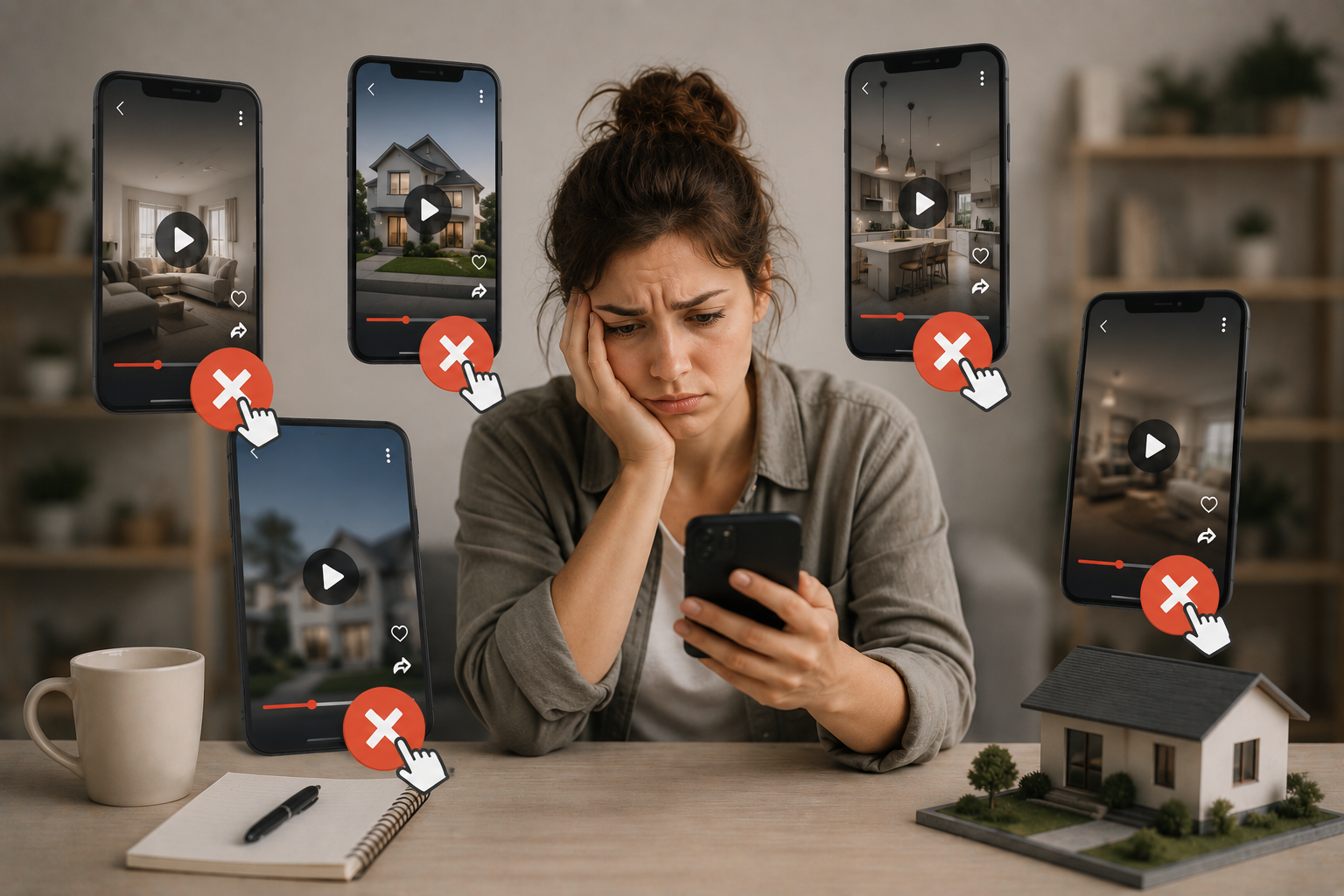
Property videos are supposed to grab attention, create excitement, and help buyers picture themselves living in a home. Yet a surprising number of buyers skip them altogether. They scroll right past the play button, spend a few seconds watching, or click away before the video even gets started.
If you've ever wondered why some property videos fail to connect with potential buyers, the answer isn't usually the property itself. More often, it's the way the video is presented. Modern buyers consume content faster than ever, and their expectations are shaped by social media, streaming platforms, and short-form video content.
Let's break down the real reasons buyers ignore property videos and what makes them lose interest.
The Average Buyer's Attention Span Is Short
People don't browse property listings the same way they did a decade ago. Today, they're scrolling through dozens—sometimes hundreds—of homes in a single session.
When a buyer lands on a listing, they make an almost instant decision about whether it's worth their time. If a video doesn't immediately show something interesting, many viewers move on without a second thought.
First Impressions Happen Fast
The first few seconds of a property video matter more than most people realize. Buyers want answers right away:
- What does the home look like?
- Is it modern or outdated?
- Does it match their budget and lifestyle?
- Is there anything unique about it?
If the opening scene is slow, generic, or confusing, viewers often bounce before the video reaches the good parts.
Buyers Are Used to Fast Content
Social media has trained people to consume information quickly. They expect visual content to get to the point.
A long introduction, dramatic title screen, or unnecessary animation can feel like a waste of time. Buyers often think, "Just show me the house."
Poor Video Quality Creates Distrust
A property video doesn't need to look like a blockbuster movie, but poor quality can instantly damage credibility.
Blurry footage, shaky camera movements, bad lighting, or muffled audio make buyers question the property and the listing itself.
Low Quality Suggests Low Effort
People naturally associate presentation quality with professionalism. When a video looks rushed or poorly made, viewers may assume the same lack of care applies elsewhere.
That perception can reduce trust before they even learn anything about the property.
Lighting Makes a Huge Difference
Dark rooms can appear smaller and less inviting. Harsh shadows can hide details buyers want to see.
Good lighting helps viewers understand the space and creates a more welcoming impression.
Buyers Want Information, Not a Music Video
One of the biggest mistakes in property marketing is focusing too much on style and not enough on substance.
Some videos rely heavily on cinematic shots, dramatic music, and artistic transitions while forgetting to answer basic buyer questions.
Buyers Are Looking for Practical Details
People want to understand:
- Room layouts
- Flow between spaces
- Storage options
- Natural light
- Outdoor areas
- Renovation condition
When videos prioritize aesthetics over useful information, viewers often leave frustrated.
Overediting Can Be a Turnoff
Fancy effects may look cool, but they can distract from the property itself.
Buyers are trying to evaluate a home, not watch an action movie trailer. Excessive transitions, filters, and visual effects can make a property feel less authentic.
The Video Is Too Long
Length plays a major role in viewer engagement.
Many property videos continue far longer than necessary. Buyers don't always have the patience to watch several minutes of repetitive footage.
Repetition Kills Interest
A common problem is showing the same room from multiple angles without adding new information.
After a while, viewers feel like they've already seen everything and start skipping ahead—or leave entirely.
Shorter Often Performs Better
A concise video that highlights key features can be more effective than a lengthy tour.
Most buyers want a quick overview first. If they're interested, they'll explore photos, floor plans, and additional details later.
The Property Looks Different in Reality
Trust is everything in real estate.
When buyers feel a video exaggerates reality, they become skeptical. Wide-angle lenses, heavy editing, and misleading camera work can create unrealistic expectations.
Buyers Notice When Something Feels Off
People are surprisingly good at spotting manipulation.
If rooms appear much larger on video than they do in photos, viewers may question the accuracy of the entire listing.
Authenticity Wins
Today's buyers appreciate transparency. Honest visuals create confidence and help attract genuinely interested prospects.
A realistic video may receive fewer casual clicks, but it often generates better-quality engagement.
The Video Doesn't Tell a Story
A home is more than a collection of rooms.
Great property videos help buyers imagine what life could feel like inside the space. Weak videos simply move from room to room without creating any emotional connection.
Emotion Drives Decisions
Even highly analytical buyers make emotional decisions.
They want to picture:
- Morning coffee in the kitchen
- Family dinners in the dining area
- Relaxing evenings in the living room
- Summer gatherings outdoors
When a video fails to create that vision, it becomes forgettable.
Lifestyle Matters
People aren't just buying walls and ceilings. They're buying convenience, comfort, and future memories.
Videos that communicate lifestyle tend to hold attention longer than those focused solely on square footage.
Buyers Prefer Photos First
Despite the rise of video content, photos remain the primary tool buyers use when evaluating listings.
Many people scan images before deciding whether a video is worth watching.
Photos Are Faster
A buyer can review twenty photos in less than a minute.
Watching a video requires more commitment. If the photos don't impress them first, they may never click play.
Videos Often Serve as Confirmation
For many buyers, videos aren't the first step. They're a secondary resource used after initial interest has already been established.
This means the video must add value rather than repeat what buyers have already seen.
Mobile Viewing Changes Everything
Most property searches now happen on mobile devices.
That changes how buyers consume video content and creates new challenges for engagement.
Small Screens Demand Clarity
Tiny details can get lost on smartphones.
Videos with cluttered visuals, complicated text overlays, or poor framing become difficult to follow on smaller screens.
Buyers Watch on the Go
Many people browse listings during lunch breaks, while commuting, or while multitasking.
A video must communicate key information quickly because viewers are often distracted.
Generic Content Blends Into the Crowd
The internet is packed with property listings. Buyers see similar homes every day.
When a video feels generic, it disappears into the background.
Every Property Has Something Unique
It might be:
- A stunning view
- Architectural character
- A spacious backyard
- Natural light
- A unique layout
Strong videos highlight distinctive features early rather than saving them for the end.
Standing Out Matters
Buyers remember properties that offer a clear reason to pay attention.
Without a memorable element, even a beautiful home can be forgotten within minutes.
The Video Doesn't Match Buyer Expectations
Different buyers care about different things.
A first-time buyer may focus on affordability and functionality, while a family might prioritize space and practicality.
Relevance Drives Engagement
When a video emphasizes features that don't matter to its target audience, viewers lose interest.
Understanding buyer priorities helps create content that feels more useful and engaging.
Context Helps Buyers Connect
Showing how spaces can be used often creates more interest than simply displaying them.
People want help imagining their future lifestyle, not just a visual inventory of rooms.
Conclusion
Property videos get ignored for many reasons, but most of them come down to one simple reality: buyers value their time. They want fast, authentic, informative content that helps them decide whether a property deserves closer attention.
Slow introductions, poor production quality, excessive editing, unrealistic visuals, and a lack of useful information can all push viewers away. On the other hand, videos that are clear, honest, engaging, and focused on buyer needs are far more likely to hold attention.
The best property videos don't try too hard. They show the home, tell a relatable story, and help buyers imagine what life could look like there. When that happens, viewers stop scrolling and start paying attention.
Des vidéos immobilières, en toute simplicité.
S'abonner