
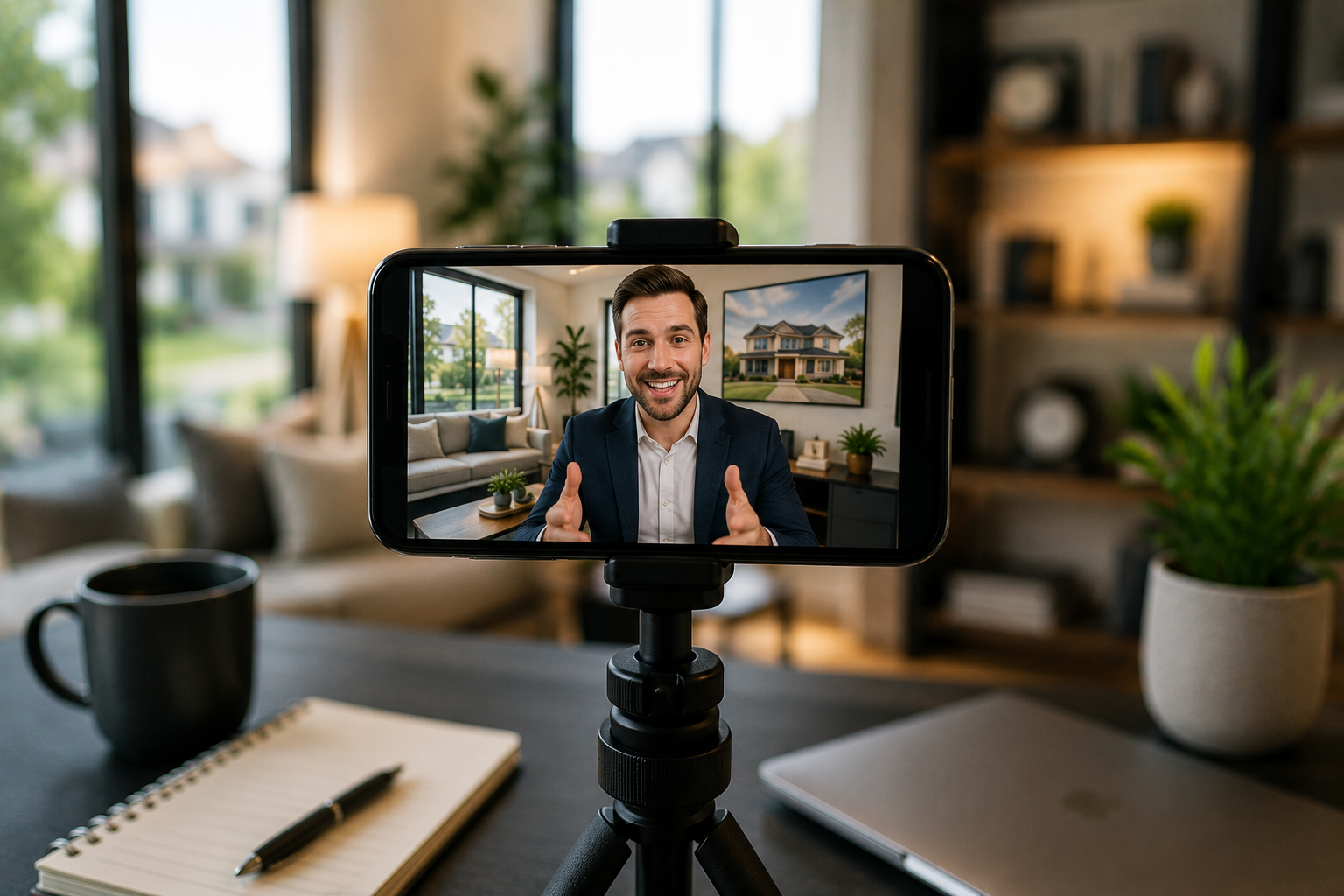
Why Buyers Trust Agents Who Show Their Face on Camera
Publicado:
July 26, 2026
Buying a home is rarely a relaxed, emotion-free decision. Buyers are dealing with money, uncertainty, deadlines, negotiations, unfamiliar documents, and the uncomfortable possibility of making an expensive mistake. Before they ask an agent to guide them through that process, they want to know who is standing on the other side of the conversation. A name, profile photograph, and collection of property images can provide basic information, but they do not always create a real sense of the person behind the service.
That changes when an agent appears on camera. Buyers can see the agent’s face, hear the tone of their voice, observe their body language, and understand how they explain complicated subjects. Within a few minutes, the viewer begins forming an impression that would be difficult to create through text alone. Does this person seem calm? Do they communicate clearly? Do they appear honest? Would asking them a basic question feel comfortable or embarrassing? Video gives buyers clues before they risk starting a direct conversation.
A visible face also turns property marketing into human communication. Instead of watching another silent sequence of rooms, viewers feel as though someone is guiding them through the experience. The agent can explain why a layout works, identify an unusual feature, discuss a practical limitation, or describe who may enjoy living there. This personal guidance makes the video feel less like an advertisement and more like an introduction.
That introduction matters because trust in real estate is built through small signals. Buyers rarely decide to trust someone because of one dramatic claim. They notice consistency, clarity, patience, honesty, and the willingness to be visible. Showing your face does not automatically prove that you are an excellent agent, but it gives buyers more evidence with which to make a judgment.
The camera, then, is not simply a marketing tool. It is a window into your communication style and professional character. When used naturally, it helps buyers feel that they have already met you. That feeling can make the first call easier, the first viewing more comfortable, and the entire relationship less uncertain.
Why Camera Visibility Matters in Real Estate
Real estate is a deeply personal business, even when much of the process happens online. Buyers may begin by browsing photographs, comparing prices, and studying floor plans, but eventually they must speak with another human being. They need to arrange viewings, ask sensitive financial questions, discuss concerns, and make decisions under pressure. The person guiding those conversations can affect whether the process feels manageable or overwhelming.
When an agent stays completely invisible, the buyer has to imagine what the interaction might be like. A written biography can describe someone as approachable, experienced, and professional, but these words are easy to claim. Video allows the buyer to observe those qualities more directly. A clear explanation demonstrates communication skill. A balanced property tour demonstrates honesty. A relaxed delivery suggests that the agent may remain calm when complications appear.
Visibility also reduces the psychological distance between the buyer and the agent. A profile made entirely of property photographs can feel like a shop window. The viewer sees what is available but has no relationship with the person responsible for the presentation. Adding a human face changes the atmosphere. The agent becomes a recognisable guide rather than an anonymous contact behind a message button.
This distinction is especially important for buyers who feel uncertain or inexperienced. First-time buyers may worry about asking obvious questions. People moving from another area may feel vulnerable because they do not understand the local market. Buyers dealing with a strict budget may fear being treated as less important. A warm, helpful on-camera presence can quietly signal that questions are welcome and that the agent understands the emotional side of the decision.
Camera visibility also supports memory. Buyers may view dozens of properties and encounter many agents during a search. Listings can blur together, especially when the descriptions and visual styles look similar. A recognisable face and voice create a stronger mental association. The buyer may not remember every detail, but they may remember “the agent who explained the layout clearly” or “the person who gave honest advice about that neighbourhood.”
Being visible does not mean dominating every video. It means giving the audience enough human contact to understand who is communicating with them. Even a short introduction or closing message can create a meaningful bridge between property information and personal trust.
Human Faces Help Buyers Trust Information Faster
The human brain pays special attention to faces. From early childhood, people learn to read facial expressions, eye direction, and small changes in emotion. We look at faces to decide whether someone is friendly, confident, nervous, uncertain, interested, or distracted. Much of this judgment happens quickly and without conscious effort. That is why a face can communicate more emotional information in a few seconds than a paragraph of promotional text.
In real estate video, a visible face gives buyers context for the words they hear. Imagine an agent saying, “This room is smaller than the others, but it could work well as an office.” When the agent delivers that sentence naturally, the honesty feels more believable. The viewer can see that the person is not trying to hide the limitation or force a positive interpretation. The facial expression, tone, and pacing support the message.
Without a face, viewers must judge the information through images, text, or voice alone. These formats can still work, but they provide fewer social signals. A visible presenter adds another layer. Buyers can compare what is being said with how it is being said. When the signals match, credibility increases. Calm words delivered with relaxed body language feel consistent. Exaggerated claims delivered with uncomfortable expressions may have the opposite effect.
Faces also make information feel more personal. A general statement about buying property may sound like content created for an unknown crowd. The same explanation delivered while looking into the camera can feel like advice directed toward one person. This sense of individual attention increases engagement because viewers feel included in the conversation.
Trust does not develop simply because a face appears. A rushed, distracted, or overly theatrical presentation can reduce confidence. The value comes from genuine human communication. Buyers want to see someone who appears comfortable with the subject and respectful of the audience.
The face becomes a shortcut to understanding the communicator. Viewers begin answering questions that would normally require a meeting: Does this person seem patient? Would they listen? Do they explain things clearly? Do they appear to believe what they are saying? Video cannot answer everything, but it gives buyers enough information to decide whether taking the next step feels safe.
Eye Contact Creates a Sense of Personal Attention
Eye contact is one of the simplest ways to make a video feel like a direct conversation. When an agent looks into the camera lens, viewers often experience the impression that the agent is looking at them. The interaction is not truly face to face, of course, but the brain responds to the visual cue in a similar way. The message feels more personal, focused, and intentional.
This matters because buyers want to feel heard. Even before they make contact, they are looking for signs that an agent will pay attention to their needs rather than simply push the nearest available property. A presenter who maintains natural eye contact appears more engaged. The viewer can imagine asking that person a question and receiving a thoughtful response.
Good camera eye contact should feel relaxed, not intense. Staring without blinking can make a presenter appear uncomfortable or overly rehearsed. Looking away constantly, however, suggests distraction or uncertainty. Natural delivery allows small movements while returning regularly to the lens, just as someone would maintain comfortable eye contact during an in-person conversation.
The location of the agent’s attention also affects trust. Reading from a script positioned far from the camera causes the eyes to move visibly from side to side. Viewers may sense that the speaker is reciting rather than communicating. The words could be excellent, yet the emotional connection becomes weaker because the agent does not appear fully present.
A simple solution is to work from short notes rather than memorising complete paragraphs. Understand the point, look into the lens, and explain it as though speaking to one buyer across a table. This approach creates a more natural rhythm. It also allows personality to appear through small pauses, expressions, and changes in tone.
Eye contact becomes especially powerful when delivering important reassurance. An agent explaining that buyers should never feel embarrassed about asking questions can look directly into the camera. The message then feels personal rather than generic. The same is true when discussing a property’s limitations or clarifying a complicated process.
Viewers may not consciously analyse eye contact, but they feel its effect. A steady, natural gaze suggests attention, honesty, and confidence. Those qualities are central to trust, especially when the viewer is deciding whether this person should guide a major financial decision.
Facial Expressions Reduce Emotional Uncertainty
Words provide information, but facial expressions help viewers understand the emotion behind that information. A smile can communicate warmth. A thoughtful expression can show that a subject deserves careful consideration. A relaxed face can reduce tension when discussing a complicated process. These signals help buyers interpret the message and decide how seriously to take it.
Real estate information often contains uncertainty. A property may have strong features and obvious limitations. A buyer may need to choose between location and space. A negotiation may require patience. When an agent explains these situations with appropriate expressions, the message feels balanced. The agent appears to understand the emotional weight of the decision rather than simply repeating prepared lines.
Problems occur when facial expressions do not match the content. An agent who smiles broadly while discussing a buyer’s fear of losing money may appear insensitive. A presenter who describes every ordinary feature with exaggerated excitement can seem insincere. The viewer senses a mismatch between the emotional signal and the subject. Trust weakens because the presentation feels performed.
Natural expression is more persuasive than constant enthusiasm. A calm, interested face allows the property and information to remain central. The agent does not need to grin throughout the entire video. Small changes in expression make the communication feel human. Surprise can highlight an unusual feature. Seriousness can accompany an important warning. Warmth can make the invitation to ask questions feel genuine.
Facial expressions also help buyers feel emotionally safer. Property searching can be stressful, especially when viewers have had difficult experiences or feel unsure about the process. Seeing a patient, relaxed communicator suggests that the conversation may be manageable. The agent’s expression quietly says, “This does not need to feel intimidating.”
This emotional reassurance is difficult to create through perfectly polished property footage alone. Beautiful rooms may generate desire, but they do not show buyers who will help when the transaction becomes complicated. A visible face provides that missing human context.
The aim is not to control every expression. That level of self-monitoring usually makes the presenter appear stiff. Focus on understanding the subject and speaking sincerely. When the message is honest, facial expressions often follow naturally. Buyers respond to that emotional consistency because it feels easier to trust.
Familiarity Makes an Agent Feel Known Before the First Call
Trust often begins with familiarity. People tend to feel more comfortable with faces, voices, and communication styles they have encountered repeatedly. This does not mean familiarity automatically proves competence, but it reduces the uncertainty of dealing with a complete stranger. In real estate, where the first conversation may involve personal finances and major life decisions, that reduction in uncertainty matters.
An agent who regularly appears on camera gradually becomes recognisable. A buyer may watch a neighbourhood guide, then a video about viewings, followed by an explanation of offers and inspections. Each piece adds another small layer of familiarity. By the time the buyer sends a message, the agent’s voice and manner may already feel known.
This changes the emotional quality of the first conversation. Instead of wondering what the agent will be like, the buyer has a basic expectation. They know whether the person speaks calmly, uses simple language, and acknowledges practical concerns. The call begins with less tension because part of the introduction has already happened through video.
Familiarity also improves recall. Buyers often encounter many names during a property search. An agent who appears only as text below a listing may be forgotten quickly. A face connected with useful information is easier to remember. When a friend asks whether the buyer knows anyone helpful in the area, that familiar agent may come to mind.
Consistency is essential. One face-to-camera video can create a good impression, but repeated appearances build recognition. The topics do not need to be dramatic. Answering common questions regularly may be enough. Familiarity grows when buyers encounter the same helpful person across different stages of their research.
However, repeated visibility should always contain value. Constantly appearing on camera without teaching, explaining, or guiding can create fatigue. Buyers should associate the face with useful information, not self-promotion. The goal is not merely to be seen; it is to be remembered for a reason.
Think of the process like meeting someone in a local community. The first encounter creates awareness. Repeated friendly conversations create recognition. Over time, the person no longer feels unknown. On-camera content can produce a similar effect at scale.
When the buyer eventually needs direct help, contacting a familiar face feels easier than approaching someone they have never seen or heard. That small psychological advantage can determine who receives the first enquiry.
On-Camera Presence Signals Accountability
Showing your face creates a subtle form of accountability. When an agent stands behind advice publicly, viewers can connect the statement with a real person. The information no longer feels like anonymous marketing copy. It becomes something the agent is willing to say in their own voice while being visibly associated with the message.
This matters because buyers are alert to risk. They know property descriptions are designed to attract interest, and they may approach every claim with some caution. An agent who appears on camera and discusses the property directly seems more willing to take responsibility for the explanation. Buyers can observe how confidently and carefully the person speaks.
Accountability becomes especially powerful when the agent acknowledges limitations. Suppose a home has a compact second bedroom, limited outdoor space, or a busy road nearby. Hiding the issue may attract initial attention, but it can damage trust later. Mentioning it calmly on camera signals that the agent respects the buyer’s time and understands that no property suits everyone.
This honesty does not weaken marketing. It often improves qualification. Buyers who remain interested after hearing a balanced explanation are more likely to understand the property realistically. Viewings become more productive because fewer people arrive with expectations created by selective presentation.
On-camera accountability also extends beyond property details. Agents can explain how processes work, what buyers should prepare, and where individual advice may be necessary. Clear boundaries demonstrate professionalism. Saying “This depends on your circumstances, so obtain advice specific to your situation” is more trustworthy than pretending every question has one simple answer.
Visibility makes careless claims more uncomfortable, which can improve communication. When your face is attached to the message, you are more likely to check the facts, choose precise language, and consider how the audience may interpret the advice. The camera encourages a stronger sense of personal responsibility.
Buyers notice this. They may not use the word accountability, but they feel that the agent is not hiding behind a property description or anonymous business profile. The person is present, identifiable, and willing to explain.
Trust grows when people believe someone will stand behind their words. Face-to-camera video provides repeated evidence of that willingness. It tells buyers that there is a real professional prepared to be seen, heard, and associated with the guidance being offered.
Buyers Use Video to Judge Communication Style
Buyers are not only evaluating the information inside a video. They are also evaluating the way the agent communicates. A property transaction involves repeated conversations, quick decisions, sensitive questions, and moments of uncertainty. Buyers want to know whether communication will feel clear, respectful, and manageable.
Video gives them a preview. Does the agent explain ideas in a logical order? Do they rush through important details? Is the language simple or unnecessarily complicated? Does the person sound patient? Do they appear to understand the buyer’s concerns? These impressions shape whether the viewer feels comfortable starting a relationship.
An agent who communicates clearly on camera demonstrates more than presentation skill. They show an ability to organise information. This can suggest that future conversations about offers, inspections, paperwork, and negotiations may also be understandable. Buyers often fear being confused or pressured, so a clear communication style reduces perceived risk.
Tone is equally important. A constantly urgent tone may make buyers expect pressure. Excessive enthusiasm can make every statement feel promotional. A cold, highly formal delivery may suggest distance. The most trustworthy style is usually calm, confident, and conversational. It allows the buyer to absorb information without feeling pushed.
Buyers also observe listening indirectly. A pre-recorded video cannot listen to the individual viewer, but the agent can show that they understand common questions and emotions. Statements such as “Many first-time buyers worry about asking this” or “You may be wondering whether the smaller room is still practical” demonstrate awareness of the viewer’s perspective.
This perspective-taking is a strong trust signal. It suggests that the agent thinks beyond the transaction and considers what the buyer actually needs to understand. The video feels less like a speech and more like a response to a real concern.
The relationship between video style and working style is not always perfect. A confident presenter could still communicate poorly during a transaction, while a nervous presenter may provide excellent service. Yet buyers must make early decisions using limited evidence. On-camera communication becomes one of those pieces of evidence.
Agents who recognise this can use video strategically. Do not simply describe the property. Show buyers how you think, explain, and guide. The video becomes a demonstration of the experience they may receive after making contact.
Calm Delivery Makes Complicated Decisions Feel Safer
Real estate can create a sense of urgency even when nobody is deliberately applying pressure. Buyers worry that another person will make an offer first. They fear missing important details, arranging finances too slowly, or making a decision they later regret. When an agent communicates with visible calm, that emotional pressure becomes easier to manage.
A calm delivery does not mean speaking slowly enough to make viewers lose interest. It means controlling the pace, using clear pauses, and avoiding unnecessary drama. Important points receive enough time to be understood. The agent appears comfortable with the subject rather than rushing to finish or force a reaction.
This calmness acts as a form of emotional leadership. Buyers often look to professionals for cues about how worried or excited they should feel. If the agent sounds panicked, the buyer’s anxiety can increase. If the agent sounds dismissive, the buyer may feel their concerns are not being taken seriously. Calm confidence communicates that the situation deserves attention but can be handled.
The effect is especially valuable when explaining difficult topics. Additional costs, inspection findings, competitive offers, and transaction delays can all feel intimidating. An agent who breaks these subjects into simple parts helps buyers regain a sense of control. The viewer thinks, “This is complicated, but I can understand it.”
Calm delivery also makes honesty easier to accept. If a property has a limitation, the agent can explain it without sounding defensive. The buyer receives the information as part of a balanced evaluation rather than as a hidden problem suddenly revealed. This strengthens credibility.
Agents sometimes confuse energy with speed. They speak quickly, use exaggerated gestures, and fill every second with words because they fear viewers will become bored. In reality, well-placed pauses can increase attention. Silence gives viewers time to look at the room, consider the information, and imagine their own response.
The camera magnifies nervous habits, but practice reduces them. Recording short explanations regularly helps the agent develop a comfortable pace. Over time, calmness becomes natural rather than performed.
Buyers do not expect an emotionless presenter. Warmth, interest, and excitement are welcome. The key is stability. A calm agent appears more capable of handling pressure, and that impression can make a major financial decision feel significantly safer.
Clear Explanations Demonstrate Real Competence
Competence is difficult to prove through claims. Any agent can describe themselves as knowledgeable, experienced, or professional. Buyers have heard these words so often that they carry little weight without evidence. A clear explanation provides that evidence because it shows expertise in action.
When an agent takes a complicated subject and makes it understandable, viewers can see the value directly. Explaining how an offer process works, what buyers should notice during a viewing, or why a particular layout affects daily life demonstrates practical knowledge. The agent is not merely saying, “Trust me.” They are giving the buyer a reason to trust them.
Clarity requires deeper understanding than jargon. Someone who knows a subject well can usually explain it in ordinary language. Someone who relies heavily on technical terms may be hiding behind the language of the industry. Buyers appreciate professionals who respect their intelligence without assuming they already understand every part of the process.
Examples make explanations stronger. Instead of saying that buyers should consider flow, show how people move from the entrance to the kitchen, living area, and garden. Rather than warning about additional expenses in a vague way, explain the categories buyers may need to plan for. Concrete detail turns abstract advice into something usable.
Clear communication also includes acknowledging variables. Real estate decisions rarely have one perfect answer. The right approach may depend on budget, timing, property condition, competition, or personal priorities. An agent who explains these trade-offs appears more competent than someone offering simple universal rules.
Buyers can compare this communication style across several videos. One clear explanation may be helpful. A consistent library of useful answers creates a stronger impression of expertise. The agent becomes a reliable source rather than a person who happened to deliver one good presentation.
Competence also appears through structure. Videos that move logically from question to answer feel easier to trust. Long introductions, repeated points, and unclear conclusions make the information feel less controlled. A simple structure—problem, explanation, example, next step—helps viewers follow.
Showing your face while explaining a subject connects the knowledge with the person. The buyer knows who provided the guidance and can imagine receiving similar clarity during a real transaction. That connection turns educational content into a powerful demonstration of professional value.
Authenticity Beats Perfect On-Camera Performance
Many agents avoid appearing on camera because they believe they must perform perfectly. They worry about forgetting a word, looking awkward, using the wrong gesture, or sounding less polished than other presenters. This fear can delay video creation for months. Ironically, the pursuit of perfection often removes the very quality buyers respond to most strongly: authenticity.
Buyers do not need an agent to look like a professional actor. They need the agent to appear genuine, informed, and comfortable enough to communicate. A small pause, natural laugh, or slightly imperfect sentence can make the person feel more approachable. These human details remind the viewer that the speaker is a real professional rather than a carefully constructed character.
Perfection can sometimes reduce trust. A video in which every movement, sentence, and expression feels tightly controlled may appear impressive, but it can also feel distant. Viewers may wonder whether they are seeing the real person or a performance created only for marketing. Natural delivery allows personality to remain visible.
Authenticity does not mean recording carelessly. Facts should be checked, sound should be understandable, and the message should have structure. The difference lies between preparation and overproduction. Preparation helps the agent communicate clearly. Overproduction can remove spontaneity until the video feels emotionally flat.
A useful approach is to prepare key points rather than memorising every word. Know the opening, the central lesson, one example, and the call to action. Then explain the idea conversationally. This gives the video enough structure to remain clear while allowing natural language to emerge.
Agents should also resist copying someone else’s personality. A loud, humorous style may work well for one person but feel uncomfortable for another. A calm, thoughtful agent does not need to become dramatic. A naturally energetic agent does not need to sound overly formal. Trust grows when the online personality matches the person buyers meet offline.
Being authentic also means expressing balanced opinions. You do not need to praise every property equally or pretend every market situation is simple. Honest trade-offs make the advice more credible.
The goal is not to look flawless. It is to make the viewer feel that they are seeing a believable version of the person they might work with. A slightly imperfect but sincere video often creates more trust than a technically perfect presentation with no human warmth.
How to Show Your Face Without Making Every Video About You
Showing your face builds trust, but the property and the viewer should remain central. One common fear is that appearing on camera will make the content feel self-promotional. That happens only when the agent treats personal visibility as the main purpose. A strong video uses the face to guide, explain, and reassure rather than demand attention.
The agent can appear briefly at the beginning to establish connection. A short introduction might identify the property’s most important feature or explain what viewers will learn. After that, the video can move into property footage, local scenes, diagrams, or practical examples. The agent may return at key moments to clarify something that visuals alone cannot explain.
This approach creates balance. Viewers receive the emotional benefits of human presence without watching a presenter stand in every room. The face becomes part of the storytelling rather than the entire story.
Agents should ask whether each appearance adds value. Does being on screen help explain the scale of a room? Does it make a complicated point easier to understand? Does it create a natural transition? Does the closing invitation feel warmer when delivered directly? When the answer is yes, the appearance has a clear purpose.
Body position also matters. Standing in the centre of every shot can block important property details. Moving slightly to one side allows viewers to see the space while listening to the explanation. The agent should look like a guide within the property, not the owner of the frame.
Face-to-camera content can also exist outside property tours. Short buyer tips, seller explanations, neighbourhood comparisons, and answers to common questions give the agent space to communicate directly. In these videos, the subject remains the viewer’s problem. The face simply makes the solution feel more personal.
Calls to action should follow the same principle. Instead of focusing on personal achievement, invite the viewer toward a useful next step. Ask them to request details, watch a related guide, arrange a viewing, or share a question. The video should leave people thinking about their needs, not the agent’s desire for attention.
The best on-camera presence feels generous. The agent is visible because visibility makes the guidance clearer and more trustworthy. When the audience receives genuine value, showing your face does not appear self-centred. It feels like good communication.
Common On-Camera Mistakes That Damage Buyer Trust
Showing your face can build trust, but certain presentation habits may have the opposite effect. One of the most common mistakes is exaggeration. When every room is described as breathtaking, exceptional, or perfect, buyers stop believing the language. Constant excitement creates emotional noise. A calmer, more specific description feels more credible.
Another mistake is reading directly from a script. The agent’s eyes move away from the lens, the voice becomes flat, and natural expression disappears. Viewers sense that the person is reciting words rather than communicating. Scripts can provide structure, but the delivery should still feel conversational.
Poor sound is especially damaging. Buyers may tolerate ordinary lighting, but they quickly leave when the voice is difficult to hear. Echo, wind, traffic, and loud background music make the presentation feel careless. Clear audio supports both professionalism and emotional connection.
Distracting body language can also weaken the message. Constant swaying, nervous hand movements, folded arms, or looking repeatedly toward someone off camera may suggest discomfort. These habits are normal and improve with practice. Recording short test clips helps agents notice them without becoming overly self-conscious.
Trying too hard to appear confident is another problem. An aggressive tone, excessive certainty, or dismissive treatment of buyer concerns can feel intimidating. True confidence does not need to dominate. It appears through clear explanations, steady pacing, and comfort with admitting when a question depends on individual circumstances.
Agents should also avoid making claims they cannot support. Statements about guaranteed outcomes, perfect investments, or universal suitability create risk and reduce credibility. Accurate, balanced language is safer and more trustworthy.
An untidy or distracting background may influence impressions as well. The setting does not need to be luxurious, but it should support the message. A quiet room, simple office, local street, or relevant property space can work well.
Finally, failing to respect the viewer’s time damages trust. Long introductions, repeated personal details, and delayed answers create frustration. Begin with the question or value. Explain it clearly. End with a relevant next step.
On-camera trust comes from alignment. The words, facial expressions, body language, sound, and setting should tell the same story: this person is prepared, honest, approachable, and focused on helping the viewer make a better decision.
Build a Repeatable Face-to-Camera Content Strategy
A successful on-camera strategy should be simple enough to continue. Agents often begin with an ambitious plan involving complicated scripts, multiple locations, extensive editing, and frequent publishing. The first few videos may look impressive, but the process soon becomes difficult to maintain. Trust grows through repeated visibility, so sustainability matters more than occasional perfection.
Start by choosing several recurring topics. Buyer questions, seller concerns, local neighbourhood insights, property explanations, and transaction guidance provide an almost endless supply of material. Write down questions heard during calls, viewings, and appointments. Each repeated question is evidence that other people may need the same answer.
Use a consistent video structure. Open with the problem or question. Explain the key idea in simple language. Add an example or practical detail. Finish with one relevant next step. Repetition of this structure makes recording easier and helps viewers know what to expect.
Create a simple filming setup. Choose a quiet location, position the camera near eye level, use soft light, and test the sound before recording. The setup should be easy to recreate. When every video requires rebuilding an entire production environment, consistency becomes unlikely.
Batching can save time. Record several related videos during one session while the equipment and background are ready. Keep each subject focused so one mistake does not require repeating a long presentation. Short, clear videos are easier to record, edit, and repurpose.
Review performance without becoming obsessed with surface numbers. Notice which topics produce questions, repeat views, saves, and enquiries. Pay attention to where viewers stop watching. A long introduction may need shortening. A popular question may deserve a deeper follow-up.
Consistency in personality matters too. Buyers should encounter the same general communication style across videos and real conversations. You do not need identical clothing, wording, or backgrounds, but the level of honesty, patience, and clarity should remain recognisable.
Set a realistic schedule. One useful face-to-camera video each week can create a substantial library over a year. That library becomes a public demonstration of how you communicate and think.
The objective is not to create endless content. It is to create enough consistent human contact that buyers begin feeling familiar with you before they need direct help. A repeatable strategy turns that trust-building process into a reliable part of real estate marketing.
Conclusion
Buyers trust agents who show their face on camera because visibility reduces uncertainty. A face gives meaning to the voice, context to the advice, and personality to the professional identity. Buyers can observe how an agent communicates before risking a call, meeting, or viewing. That early information makes the relationship feel less unknown.
Human faces attract attention naturally, but the real value lies in the signals they provide. Eye contact creates a sense of personal attention. Facial expressions help buyers interpret emotion. Calm delivery reduces anxiety, while clear explanations demonstrate competence. Repeated appearances create familiarity, making the agent easier to remember and approach.
On-camera presence also signals accountability. The agent is visibly connected to the claims, explanations, and property presentation. When they acknowledge trade-offs and speak honestly about limitations, buyers receive evidence that the communication is not simply promotional.
Perfection is not required. Buyers are not searching for actors. They are searching for professionals who seem capable, approachable, and trustworthy. Natural delivery often creates a stronger connection than a heavily rehearsed performance. Small imperfections can make the person feel real, provided the information remains accurate and the presentation is clear.
The agent should not become the entire subject of every video. The best on-camera presence serves the viewer. It introduces the topic, explains what visuals cannot show, adds local insight, and guides the next step. The property, decision, or buyer concern remains central.
Consistency turns individual videos into a trust-building library. One appearance creates awareness. Repeated useful appearances create recognition. Over time, buyers begin to feel that they understand the agent’s communication style and professional approach.
The camera cannot replace excellent service. It cannot guarantee trust or compensate for poor advice. What it can do is allow buyers to see evidence of the qualities they are already looking for: clarity, patience, honesty, confidence, and human understanding.
Showing your face is not about seeking attention. It is about reducing the distance between your expertise and the people who may need it. When buyers can see who is speaking, trust has a real person to attach itself to.
Vídeos imobiliários, simplificados.
Subscrever

