Why Home Sellers Choose Agents Who Create Video Content
Publicado:
July 18, 2026
Video Has Become the New First Impression
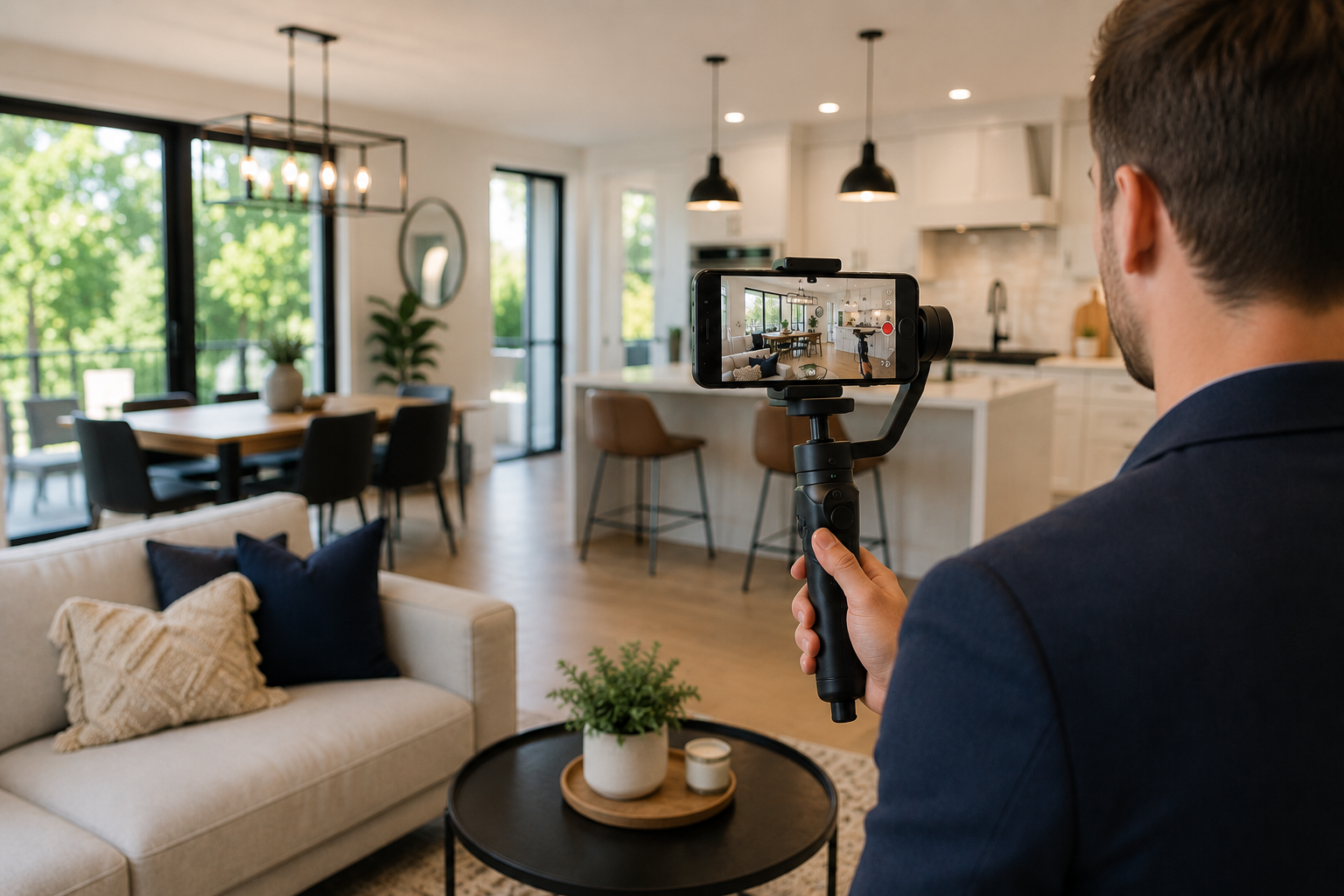
A few years ago, a home’s first impression usually happened at the front door. A buyer would arrive, look at the garden, step into the hallway, and decide within a few moments whether the property felt right. Today, that judgment often happens long before anyone schedules a viewing. Buyers scroll through property listings while sitting on the sofa, drinking coffee, commuting to work, or relaxing after dinner, which means the first real showing may take place on a small screen. That shift is one of the biggest reasons home sellers choose agents who create video content. Sellers understand that photographs still matter, but they also know that static images cannot always communicate how rooms connect, how natural light moves through the house, or how the property feels when someone walks from the entrance into the main living area.
Video creates movement, context, and atmosphere. It allows buyers to imagine opening the front door, walking through the kitchen, stepping onto the balcony, or seeing the garden at the end of a long day. A well-made property video does not simply display walls and furniture; it turns separate rooms into one complete experience. That experience can encourage a buyer to pause, pay attention, and spend more time considering the home instead of immediately scrolling to the next listing. For sellers, this matters because online property searches are crowded, and attention disappears quickly. An agent who understands video knows how to earn that attention without making the presentation feel loud, exaggerated, or artificial.
Sellers are also becoming more aware of how modern buyers behave. They see friends and family watching short videos, virtual tours, neighborhood clips, and home-improvement content every day. Choosing an agent who works comfortably with video therefore feels practical rather than trendy. It suggests that the agent understands how people discover homes now, not how they searched for them ten years ago. When the first impression happens online, sellers naturally want someone who can make that first impression feel polished, clear, and worth remembering.
Sellers Want an Agent Who Can Make Their Home Feel Valuable
Selling a home is rarely just a financial transaction. Even when a seller is eager to move, the property may hold years of memories, hard work, renovations, celebrations, and ordinary moments that made it feel personal. That emotional connection affects the choice of agent. Sellers do not want their home to appear online as another address with a short description and a handful of rushed photographs. They want an agent who treats the property as something worth presenting carefully, and real estate video marketing can communicate that sense of care almost immediately.
A thoughtful video can highlight the details that give a property its character. Perhaps morning light fills the dining room, the kitchen opens naturally into the garden, or the upstairs landing creates a quiet reading corner. These details might look unimportant in a basic listing, yet they often become the features that make someone fall in love with a home. A skilled agent notices them and builds the visual presentation around them. Instead of pointing a camera at every room in the same way, the agent creates a natural rhythm that guides the viewer through the property. The result feels less like an inventory and more like an invitation.
That presentation also influences the home’s perceived value. Buyers do not assess value through square footage and location alone; they respond to condition, lifestyle, atmosphere, and confidence. When a listing looks carefully prepared, viewers are more likely to assume that the property itself has been carefully maintained. Of course, video cannot replace accurate pricing or hide genuine problems, but it can prevent a strong property from appearing ordinary because of weak marketing. Sellers recognize this difference. They want an agent who can reveal the home’s best qualities without making unrealistic promises.
There is also a simple psychological factor at work: effort signals importance. When an agent invests time in planning, filming, editing, and presenting a property, the seller feels that the listing matters. That feeling builds confidence during what can be a stressful process. The agent is no longer merely placing the home on the market; the agent is actively shaping how buyers experience it.
Video Builds Trust Before the First Meeting
Trust plays a huge role in choosing a real estate agent, yet sellers often have limited information when they begin comparing their options. An agent may have a professional photograph, a polished biography, and several positive testimonials, but those elements do not always reveal how the person actually communicates. Video changes that. When sellers watch an agent explain a local market, discuss common selling mistakes, walk through a property, or answer practical questions, they can observe the agent’s tone, confidence, clarity, and personality before arranging a consultation.
This early familiarity can make the first meeting feel less like an introduction and more like the continuation of an existing conversation. The seller may already understand how the agent explains difficult ideas and whether the communication style feels calm or pushy. That matters because selling a home often involves uncomfortable decisions. A seller may need to lower expectations, make repairs, respond to a weak offer, or wait longer than expected for the right buyer. People naturally prefer to handle those moments with someone who appears honest, steady, and easy to understand. Regular video content gives an agent repeated opportunities to demonstrate those qualities.
The most effective agent videos do not rely on dramatic claims. They answer real questions, acknowledge uncertainty, and explain the reasoning behind recommendations. For example, an agent might describe why an overpriced property can lose momentum, how lighting affects listing presentation, or what buyers notice during a first viewing. Content like this helps sellers judge expertise through useful information rather than slogans. It also shows whether the agent can communicate with ordinary people instead of hiding behind complicated industry language.
Trust grows through consistency. One perfect video may create interest, but a useful collection of videos creates a fuller picture of the agent’s approach. Sellers can see whether the person turns up regularly, offers practical advice, and speaks with the same professionalism across different topics. By the time they make contact, they may already feel comfortable asking questions. That is a powerful advantage because people rarely choose an agent based only on credentials; they choose the person they believe will guide them well.
Strong Video Content Reaches More Serious Buyers
Most sellers do not simply want more views on their property listing. They want attention from people who are genuinely interested, financially prepared, and motivated enough to arrange a viewing or make an offer. Video can help separate casual browsers from serious buyers because it gives viewers a more complete understanding of the property before they take the next step. Someone who watches a detailed home tour, studies the layout, and still wants to visit is often more engaged than someone who clicked after seeing one attractive photograph.
A good property video answers many of the questions that usually arise during the early search. Buyers can see whether the living room connects to the kitchen, whether the bedrooms appear close together, whether the garden feels private, and whether the overall style suits their plans. This information helps viewers decide whether the property deserves closer attention. Some people may realize the home is not right for them, but that is not necessarily a failure. It can save the seller from preparing for viewings that were unlikely to lead anywhere. At the same time, buyers who like what they see arrive with stronger interest and more specific questions.
Video also travels easily. A potential buyer may share the property tour with a partner, parent, friend, or adviser before booking a visit. This is especially useful when several people influence the decision or when a buyer is relocating from another area. Instead of trying to describe the home over the phone, one person can simply send the video and allow everyone to experience the same presentation. That wider private sharing can introduce the property to motivated buyers who might not have discovered it through a standard search.
For sellers, the important point is not that every video will suddenly attract thousands of viewers. The real value lies in attracting the right viewers and helping them move from curiosity to consideration. An agent who understands video can design content around that journey. The goal is not empty popularity; it is meaningful attention from people who can realistically become buyers.
Video Helps Buyers Understand the Property Faster
Photographs are useful, but they can sometimes create confusion. A wide-angle image may make a room appear larger, a carefully chosen angle may hide the relationship between spaces, and a gallery of twenty photographs may still leave buyers wondering where the staircase begins or how the kitchen connects to the dining area. A property video solves many of these problems by showing movement through the home. Buyers can follow the route from one room to another and form a mental map without studying a floor plan for several minutes.
That faster understanding is important because online buyers make decisions quickly. When a listing feels confusing, many people will not stop to solve the puzzle. They simply move on. Video reduces this friction by presenting the property in a natural sequence. The viewer sees the entrance, main living spaces, bedrooms, outdoor areas, and special features as parts of the same home. Even a relatively simple walkthrough can provide context that a gallery of disconnected photographs struggles to deliver.
Clear video presentation can also make buyers feel more confident. They know what to expect before arriving, so the physical viewing becomes an opportunity to confirm their interest rather than discover the basic layout. This changes the quality of the conversation. Instead of asking where everything is, buyers can focus on condition, storage, neighborhood noise, renovation possibilities, and other details that influence a serious decision. Sellers benefit because more informed buyers often ask more meaningful questions.
The key is honesty. A good agent does not rush past smaller rooms, avoid awkward areas, or use confusing editing to make the home look different from reality. That approach may generate clicks, but it can damage trust when buyers arrive. Effective video content for real estate gives the property an attractive presentation while remaining accurate. Sellers appreciate agents who understand this balance because they do not want disappointed viewers walking through the door. They want interested buyers who have already seen the home clearly and still believe it could be right for them.
Good Storytelling Makes a Listing More Memorable
People remember stories more easily than lists of features. A property description may tell buyers that a home has three bedrooms, two bathrooms, a renovated kitchen, and a private garden, but dozens of nearby listings may offer something similar. Video gives an agent the opportunity to connect those features through a simple lifestyle story. Instead of presenting the kitchen as a room with cabinets and appliances, the video can show it as the place where mornings begin, friends gather, or doors open onto the garden during warm evenings.
This does not mean every property needs dramatic music, cinematic effects, or an elaborate script. In fact, overly theatrical content can make a normal family home feel unnatural. Good storytelling is usually quieter. It might begin with the street and entrance, move through the social areas of the home, reveal peaceful private rooms, and end outside as the light changes. That sequence gives the tour an emotional shape. Buyers feel that they have experienced the home rather than inspected a collection of surfaces.
Storytelling also helps agents emphasize what makes one property different from another. A compact home may offer an unusually efficient layout. An older property may have original details that give it warmth. A modern apartment may provide convenience, natural light, and easy access to local amenities. The agent’s job is not to pretend the property is something else; it is to identify its strongest identity and communicate it clearly. Sellers value this skill because they know their home will be competing against properties with similar prices and specifications.
Memory becomes especially important when buyers view several homes in a short period. Details quickly blur together. They may forget which property had better storage or where they saw the bright upstairs workspace. A distinctive video gives them something easy to revisit and share. It keeps the property alive in the conversation after the initial viewing. In a market where buyers have choices, being remembered can be just as important as being discovered.
Sellers See Video as Proof of an Agent’s Marketing Skill
Almost every agent can say that they offer excellent marketing. Sellers hear promises about maximum exposure, strong presentation, and access to motivated buyers all the time. Video gives them something concrete to examine. They can watch previous property tours, educational clips, neighborhood guides, and market updates, then judge the quality for themselves. This makes video content more than a promotional tool; it becomes a visible sample of the agent’s working standards.
Sellers often pay attention to details that reveal preparation. Is the property well lit? Does the camera move smoothly? Is the information accurate and easy to follow? Does the agent sound natural? Are the rooms shown in a logical order? None of these elements needs to look like a major film production, but together they show whether the agent takes presentation seriously. A clear, thoughtful video suggests planning, while a shaky and confusing one may suggest that the content was created as an afterthought.
Video also reveals whether an agent understands different stages of the buyer journey. A short teaser can create curiosity, a complete walkthrough can explain the layout, and an informational video can answer questions about the area or selling process. When an agent uses several types of content with a clear purpose, sellers can see a broader marketing strategy. They are not only looking at a camera skill; they are looking at the ability to plan communication around real buyer behavior.
This proof is valuable because sellers are trusting an agent with one of their largest financial assets. They do not want to discover weak marketing after the property has already launched. By reviewing existing video content, they can assess quality before signing an agreement. An agent who consistently publishes useful, polished material arrives at the listing appointment with evidence rather than promises. That evidence can make the decision feel safer, especially when several agents offer similar fees, valuations, and service packages.
Video Creates Emotional Momentum Around the Sale
A successful property sale often depends on momentum. The listing needs to capture attention, encourage inquiries, generate viewings, and keep buyers interested long enough to take action. Video can support each stage because it gives people something engaging to watch, discuss, revisit, and share. A strong launch video can make the property feel like a new opportunity rather than another listing added quietly to a database.
Emotion plays an important role here. Buyers may begin with practical requirements such as price, location, bedroom count, and commuting time, but the final decision is rarely based on logic alone. They also ask themselves whether the home feels comfortable, whether they can imagine their furniture in the rooms, and whether the space fits the life they want to create. Video supports that imagination by showing movement, light, scale, and atmosphere. It helps the buyer mentally step inside before the official viewing.
This emotional response can lead to conversation. One partner sends the video to another. A parent forwards it to an adult child. A friend points out the garden, the workspace, or the quiet street. Each share keeps the property moving through a small network of people who may influence the decision. That kind of momentum cannot be measured only through public view counts. Sometimes the most valuable interaction happens privately between two serious buyers discussing whether to book a visit.
Sellers like agents who understand this emotional process because selling is not simply about placing facts in front of people. It is about helping the right person recognize possibility. An effective video does not pressure viewers or tell them how they must feel. It creates enough clarity and atmosphere for interest to grow naturally. When buyers begin picturing daily life in the home, the listing has moved beyond information and entered the territory where real decisions are made.
Property Videos Reduce Wasted Showings
Preparing for a property viewing can be exhausting. Sellers clean rooms, clear surfaces, manage pets, adjust work schedules, and sometimes leave the house for an hour or more. When a viewer arrives and immediately realizes the layout is unsuitable, the experience feels frustrating for everyone. Video can reduce these mismatched appointments by helping buyers understand the property before they visit.
A detailed video tour gives viewers a realistic sense of room connections, ceiling height, outdoor access, and overall flow. Buyers who need a separate home office can see whether such a space exists. Families can judge whether the bedroom arrangement suits them. People with mobility concerns can notice stairs, narrow passages, or changes in floor level. This early information allows potential buyers to qualify themselves more accurately instead of booking a viewing based on a few attractive images.
Reducing unsuitable viewings does not mean limiting exposure. It means improving the quality of each appointment. When viewers have already watched the property video and still choose to attend, they often arrive with genuine interest. They may have questions about running costs, local services, renovation history, or possible completion dates because they have moved beyond the basic issue of whether they like the layout. These conversations are more useful for sellers and agents because they reveal how close the buyer may be to making a decision.
There is also a comfort factor for the buyer. Some people feel pressure during viewings and struggle to absorb every detail while the seller or agent is nearby. A video allows them to review the home privately afterward. They can pause, replay certain rooms, and discuss the property without feeling rushed. That second look may strengthen interest and encourage an offer. For sellers, video creates a better filter before the appointment and a valuable reminder after it, making the entire viewing process more efficient.
Consistent Video Gives Sellers Better Communication
Sellers want regular communication, especially after the property enters the market. Silence can quickly create anxiety. When days pass without an update, sellers may start wondering whether buyers are seeing the listing, whether the price is wrong, or whether the agent has shifted attention to other properties. An agent who uses video consistently often develops stronger communication habits because video requires regular planning, explanation, and public engagement.
This does not mean every seller expects a personal video update each morning. The value comes from the agent’s ability to communicate clearly across different formats. An agent might use video to explain market conditions, discuss changes in buyer demand, prepare sellers for viewings, or describe what happens after an offer is accepted. When sellers have already watched this educational content, they understand the process better and feel more prepared for decisions. The agent does not need to repeat every basic explanation from the beginning.
Video can also make feedback more meaningful. Instead of sending a vague message saying that interest is “good” or “slow,” a video-savvy agent is often comfortable explaining patterns in detail. The agent may discuss how buyers are responding to the asking price, which rooms receive the strongest reactions, or why online engagement has not yet turned into viewings. Clear communication helps sellers separate emotional disappointment from useful market information.
An agent’s on-camera presence can also create continuity. Sellers see the same calm voice and practical style before listing, during the campaign, and while negotiating offers. That consistency reduces the feeling that they are being passed through a system. Selling a home can feel unpredictable, but communication creates a sense of structure. Sellers choose agents who create video content partly because those agents appear willing to explain, educate, and remain visible. The camera itself is not the magic ingredient; the communication discipline behind it is what often makes the difference.
Video Content Helps a Home Stand Out in a Crowded Market
When many similar properties are listed at the same time, buyers can become overwhelmed. They scroll past nearly identical kitchens, neutral living rooms, and carefully arranged bedrooms until the homes begin to blend together. Even a genuinely attractive property can disappear into that visual repetition. Video helps break the pattern by introducing motion, personality, and a clearer sense of place.
The advantage is not simply that video looks more modern. It gives the agent more ways to highlight a property’s strongest qualities. A slow movement toward a large window can show the natural light. A continuous shot from the kitchen to the garden can reveal how well the home works for entertaining. A brief exterior sequence can show the character of the street and the approach to the property. These moments provide context that isolated photographs may not capture.
Standing out does not require turning the listing into a spectacle. Buyers are often suspicious of marketing that feels too polished or exaggerated. The best property videos create distinction through clarity and authenticity. They help viewers notice what is genuinely good about the home while keeping expectations realistic. This approach attracts attention without creating disappointment later.
Sellers understand that competition is not limited to price. Their home competes for clicks, viewing appointments, memory, and emotional interest. An agent who creates strong video content can position the property as something worth exploring instead of allowing it to sit passively among similar listings. This is especially valuable for homes that have subtle strengths rather than one dramatic feature. A practical layout, peaceful atmosphere, or excellent flow may be difficult to communicate in a headline, but video can make those qualities obvious. In a crowded market, being clearly understood is one of the best ways to stand out.
What Sellers Should Look for in a Video-Savvy Agent
Not every agent holding a camera has a strong video strategy. Sellers should look beyond the simple presence of video and pay attention to how the content is planned, presented, and connected to the wider selling campaign. The first thing to examine is consistency. One impressive property tour from several years ago does not reveal how the agent currently markets homes. A useful collection of recent videos shows whether content creation is part of the normal service or an occasional extra.
Quality matters, but quality does not always mean expensive production. Sellers should look for steady visuals, clear sound, logical editing, accurate information, and a presentation style that suits the property. A small apartment may need a quick, energetic tour, while a larger family home may benefit from a slower sequence that explains the layout. The agent should be able to explain why a certain format is appropriate rather than using the same template for every listing.
Sellers should also ask where and how the video will be used. A property tour becomes more valuable when it supports listing pages, direct buyer communication, social content, follow-up messages, and conversations with people relocating from another area. The agent should have a clear distribution plan instead of assuming that uploading the video once will produce results. It is also reasonable to ask how buyer engagement will be reviewed and how the strategy may change if the initial response is weak.
Personality remains important. The agent should appear natural, trustworthy, and respectful toward both the seller and the audience. Forced enthusiasm can feel uncomfortable, while a calm and confident explanation often creates stronger credibility. Sellers do not need the loudest presenter or the most complicated equipment. They need someone who understands the property, communicates its value honestly, and uses video as part of a thoughtful marketing process. The strongest agent is not merely comfortable on camera; the strongest agent knows what the camera should achieve.
Conclusion
Home sellers choose agents who create video content because video answers several needs at once. It helps a property make a stronger first impression, explains the layout, builds emotional interest, reaches motivated buyers, and reduces unnecessary viewings. It also gives sellers visible proof that the agent understands modern marketing rather than relying only on promises made during a listing appointment.
The deeper reason, though, is trust. Video allows sellers to see how an agent speaks, thinks, explains, and presents a property. They can judge whether the person appears prepared, honest, creative, and comfortable communicating with buyers. That familiarity can make the entire selling process feel less uncertain. When difficult conversations arise, sellers are more likely to trust an agent whose approach they already understand.
For buyers, video turns a flat listing into a more realistic experience. They can explore the home’s flow, notice its character, and decide whether it deserves a physical visit. For sellers, this creates better-qualified interest and gives the property more opportunities to remain memorable after the first click. A strong video cannot correct an unrealistic asking price or replace good negotiation, but it can make every other part of the marketing work harder.
The agents who gain the greatest advantage are not necessarily those with the most expensive equipment. They are the ones who use video with purpose. They tell the truth, notice meaningful details, answer real questions, and help viewers imagine life inside the property. Sellers recognize that skill because it shows care, preparation, and an understanding of how people search for homes today. In a market where attention is limited and competition is constant, that combination can be difficult to ignore.
Vídeos inmobiliarios, simplificados.
Suscribirse